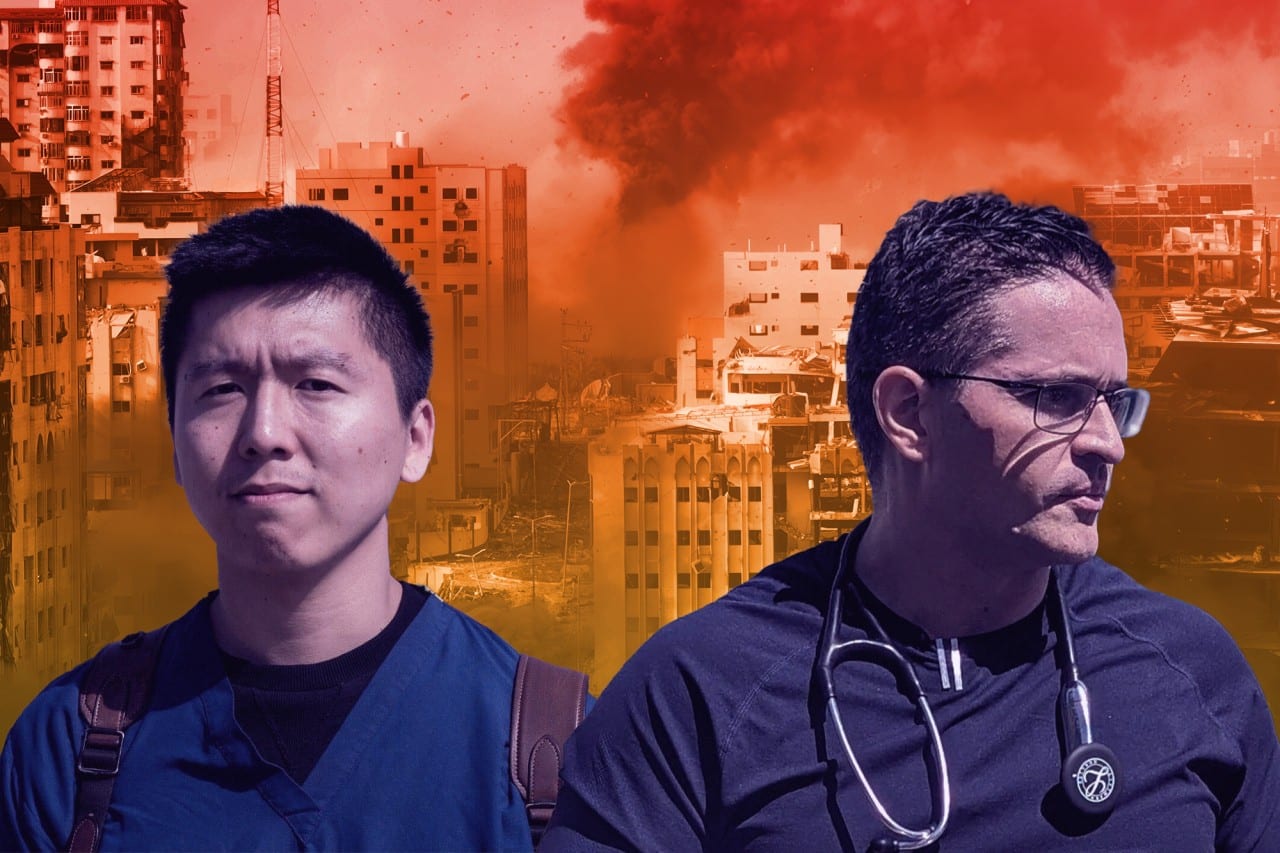
About a week after Canadian doctor Yipeng Ge returned from Gaza, he got several surprise emails: legal and human rights groups were getting in touch to take his witness testimony.
There was a reason they wanted to get information from him that they could have gotten from doctors still in Gaza, he told The Breach in an exclusive interview—doctors are afraid of being killed if they speak out.
“There’s a safety and security risk for any healthcare worker within the Gaza Strip,” he said. “You essentially have a target on your back simply for wearing scrubs.”
After returning from separate trips to Gaza in February and March, Ge and another Ontario-based doctor Ben Thomson, told The Breach they were contacted by lawyers and interviewers from UK-based groups, the International Centre of Justice for Palestinians, and Forensic Architecture.
Both had witnessed the impact of a collapsing healthcare system, as Thomson had seen an example of a patient’s wounds that indicated they had been tortured.
These groups are planning to use their statements as evidence in reports for international bodies like the International Criminal Court, the International Court of Justice, and Scotland Yard.
“I was given insight as to their intentions of feeding this information to the legal teams that were not only working on the ICJ case, but also other mechanisms like the ICC and the war crimes team and in Scotland Yard,” said Ge.
Earlier this year, a British doctor testified about what he saw in Gaza at The Hague and the British Scotland Yard’s war crimes investigations unit. The testimony collected from Canadian doctors could be used in the same way, helping indict Israel for war crimes.
The “unique” view of doctors on Gaza
The International Criminal Court has ramped up its activities in the past few days, with reports that the Israeli government is concerned about prosecutors issuing arrest warrants for Prime Minister Benjamin Netanyahu and other top cabinet ministers. Staff at hospitals in Gaza were also interviewed by ICC war crimes prosecutors this week, but there are no identifying details available because of risks for witnesses.
“The ICC basically is investigating a crime scene without access to the crime scene…it obviously means that certain types of evidence are not immediately available to it,” said Mark Kersten, an assistant professor of criminal justice and criminology at the University of Fraser Valley, whose research focuses on international law and the investigation and prosecution of war crimes.
“Doctors are in a very unique position to see victims and survivors of atrocities almost immediately after they have been harmed. What they are seeing is stuff that the ICC cannot see.”
Forensic Architecture is a multidisciplinary group of researchers based at the University of London, that uses architectural technologies to investigate instances of state violence around the World. The group used Ge’s testimony in a report published last month titled ‘Humanitarian Violence: Israel’s Abuse of Preventative Measures in its 2023-2024 Genocidal Military Campaign in the Occupied Gaza Strip’, and continued to interview doctors after it was published.
The International Centre of Justice for Palestinians is composed of lawyers, academics and politicians—including two Canadian lawyers—that in January filed a complaint with UK police’s war crimes unit against Israel and prompted an investigation.
Neither of the two people who interviewed the doctors agreed to be quoted for this article, and officially the International Centre of Justice for Palestinians said they cannot speak publicly about their evidence collection “because this is an ongoing investigation.”
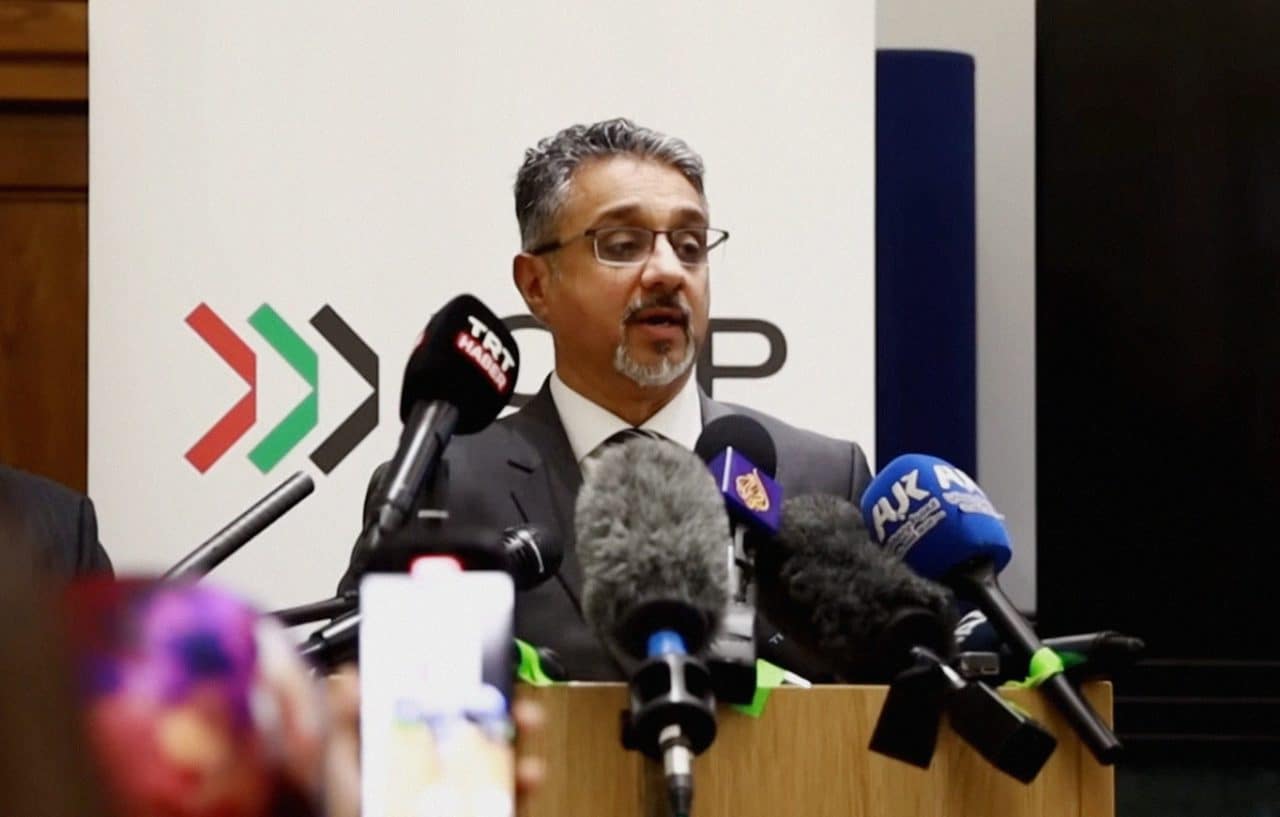
An interviewer for International Centre of Justice for Palestinians said some witnesses they speak to will go on to testify at the International Criminal Court. The Centre has already facilitated one such testimony, he said, with UK-based plastic surgeon Dr. Ghassan Abu Sitta providing his statements to both The Hague and to the British Scotland Yard’s war crimes investigations unit.
According to international media reports, Scotland Yard’s war crimes unit has been collaborating with the ICC to investigate war crimes committed by Israel and Hamas since Oct. 7.
Within the first five days of the war, there were 13 Israeli air-strikes on healthcare sites in Gaza, and as of May 1, 491 health workers have been killed.
What investigators wanted to know
Ge and Thomson both said they were contacted by the interviewers within a week of each of them leaving the Gaza Strip. The timing is an important factor, according to Kersten.
“If somebody witnesses an atrocity…the best opportunity you have to make sure that that evidence is as good as possible, is to ask them immediately,” Kersten said.
Thomson, who has been to Gaza on humanitarian and training visits multiple times, said he started keeping a detailed daily diary ever since his first visit in 2013. This record helped him during the interviews.
“What [the interviewers] found particularly useful was specific patients that I was able to describe in good detail,” Thomson said. “Specifically when I saw them, where I saw them, when their injuries happened. Those are the questions they were asking.”
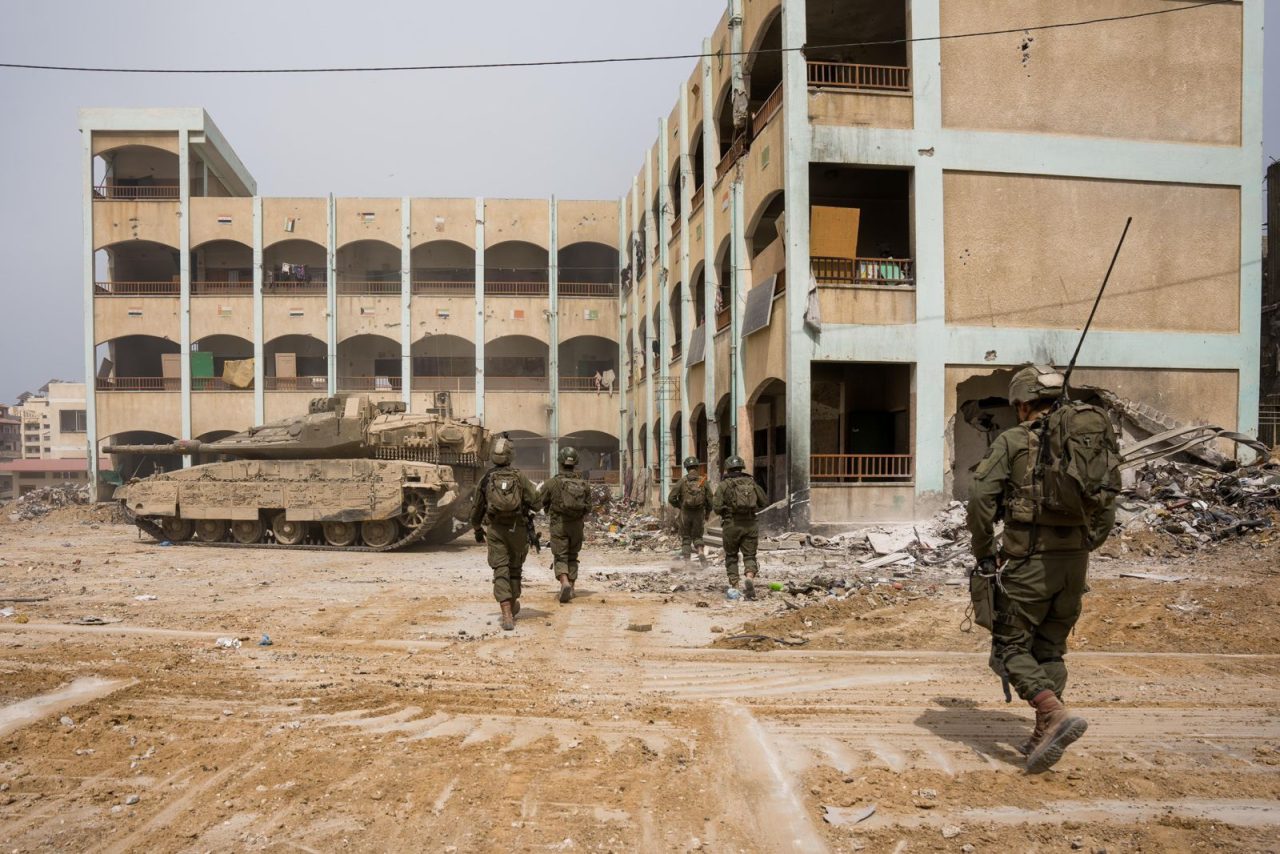
While Ge, who is a family doctor in Ottawa, was in Gaza for a week in February, he mainly worked at two primary care clinics in Rafah. “I was supposed to go to Nasser Hospital actually but there was no access, it was surrounded by tanks and then it got besieged while I was there in Rafah,” he said.
According to Al Jazeera, mass graves were found at Nasser Medical Complex in early April after Israeli troops withdrew from the region. According to a recent Reuters report, ICC war crimes prosecutors have been interviewing staff at both Nasser and Al Shifa hospitals, but no details are available due to concerns for the safety of potential witnesses.
As a family physician, Ge didn’t see influxes of patients affected by airstrikes and bombings—one of the questions he said an interviewer had asked him about—as those patients are taken to emergency rooms at one of the Gaza Strip’s remaining hospitals.
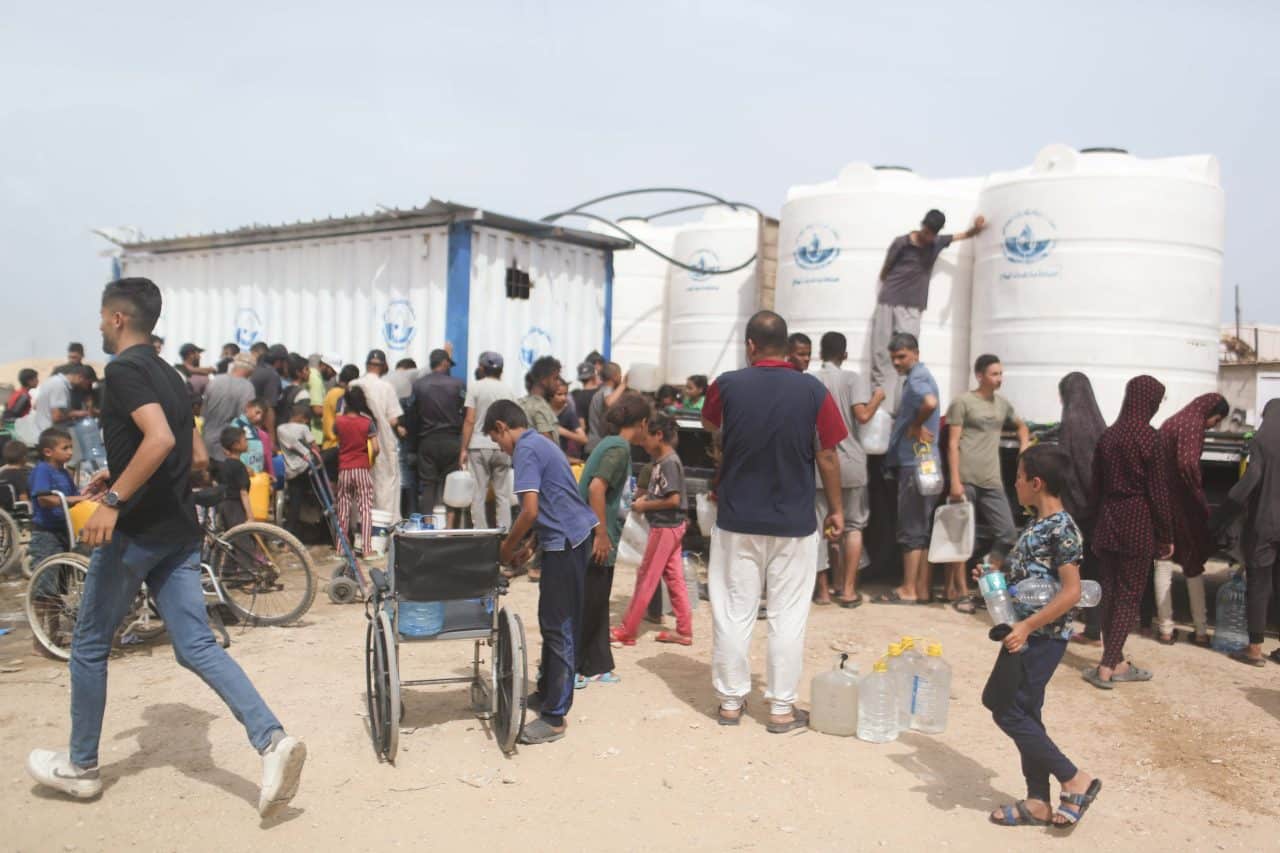
But Ge did document how most of his patients were children suffering from “a massive Hepatitis A outbreak,” respiratory and gastrointestinal infections, malnutrition, rickets disease (borne out of severe vitamin D deficiency), and burn injuries from fires that Palestinian refugees would light in their encampments to stay warm.
The constant shortage of food, water, and basic medications like ointments and antibiotics made everything difficult to treat. The foreign delegation of doctors that Ge joined brought some relief with them—a shipment of antibiotics and some IV fluid—as a stopgap measure. At the larger of the two clinics, he said there were some basic tools, like an X-ray machine and a blood pressure machine, but the smaller one had nothing.
“I saw a child who was nine to 10 years old, being carried in by his mother, and he was not walking anymore because of how malnourished he was,” Ge said. “We also saw patients with heart disease, diabetes, high blood pressure, hypertension, and many of these patients haven’t received their routine or regular medications for months.”
This was all against the backdrop of constant bombings that could be heard around the clinics, and would intensify in the evenings, he said.
“[The interviewers] were still very much interested in hearing about my experience of providing care to patients that were on the brink of starvation, and honestly death from starvation,” Ge said, adding that the systematic withholding of food and clean water to a civilian population constitutes a war crime.
‘You’re left at the mercy of Israel’
On most mornings, Ge said he and others would attend a World Health Organization meeting and hear about the UN’s efforts to send people to Nasser Medical Complex to assess what was happening on the ground. Each time, they were turned away.
“Towards the end of the week that I was there, we heard devastating reports of [how] the Israeli forces had entered Nasser hospital,” Ge said.
By the time Thomson arrived in Gaza in March for two weeks, about a quarter of Gaza’s primary health facilities were still functioning.
As a general internal medicine doctor working in the Toronto area, Thomson was in Gaza to analyze dialysis systems across the Strip and help set up a non-communicable disease plan for patients who had lost access to their regular care. As a result, he visited a number of primary care clinics and field hospitals across southern Gaza.
“Some of the patients that I had explained [about], [the interviewer] wanted to know more details specifically about what hospital I saw them in, what date it was, how old the injuries were when I saw [them], these sorts of things,” Thomson said.
In one of the hospitals, he described a patient in his 40s with infected wounds on his wrists that were consistent with them being tied tightly, and a deep wound on the back of one of his hands, through which his bones could be seen.
When Thomson asked what had happened, the man described being stripped naked by Israeli forces, his wrists tied, and dragged by his feet. As he was being dragged, the man said he used his hand to block his face, resulting in the injury.
While visiting Al Aqsa hospital, Thomson said he walked through the emergency room—of which every square inch was packed with patients and internally displaced people—and saw a young man in his late teens who was lying on a floor in the corner, placed there because he had an untreatable head injury. “He was basically waiting to die,” Thomson said.
But like Ge, the patients Thomson saw—many of them children and infants—suffered from internal issues that were exacerbated by a lack of access to health care, food, and clean water.
He described an 18 month old girl brought to the clinic because she had not eaten anything for two weeks. “The child had a massively enlarged spleen, massively enlarged liver, I could feel lymph nodes everywhere that were enlarged,” Thomson said, adding that all signs pointed to cancer.
But there were no CT scanners available, and thoughThomson conducted a bedside biopsy, there was nowhere left in Gaza for the baby to be treated, after bombings forced the closure of the two hospitals that provided cancer care—Rantisi Hospital and the Turkish-Palestinian Friendship Hospital.
“You’re left at the mercy of Israel to allow this child…[to] leave Gaza and go to a center where diagnosis and management can happen,” Thomson said. “That process initially almost immediately gets approved by the WHO, but then sits on a list that Israel has to approve.”
By the time Thomson left the Gaza Strip, the child had been approved to leave by the WHO but was still waiting for the green light from Israel.
‘No medical solutions to what’s happening’
In the realm of international law, Kersten said, decisions and actions have always taken a long time. The next step in legal proceedings against Israel and against Hamas is the ICC issuing an arrest warrant for top leaders, including Israeli Prime Minister Benjamin Netanyahu and defence minister Yoav Gallant.
“With the news that the Netanyahu government is concerned over ICC arrest warrants coming— which I don’t think they would be worried about if they didn’t have some intelligence—I think we could see the ICC issue arrest warrants in the next couple weeks or months,” Kersten said.
Though neither Israel nor the U.S. recognize the authority of the ICC, this would be, according to Kersten, a “very significant game changer, both legally and politically,” as Israeli leaders would join the ranks of Russia’s Vladimir Putin, for whom the ICC also issued an arrest warrant last year.
For Ge, foreign doctors who visit Gaza for a week or two at a time are not part of a permanent solution to the crisis in the region.
“It’s not like we’re making a meaningful dent in population health. We’re doing something for the few patients that we’re seeing as medical teams on the ground,” Ge said.
“But there’s no humanitarian solution, there’s no medical solution to what’s happening, [and] honestly I don’t know if there’s a real legal solution either.”
The answer for him lies in a political solution, both with countries surrounding Palestine that he says “are aiding and abetting in the genocide” and with Western powers like the U.S., Canada, UK, and Germany that are funding Israel’s assault.
“We need to be thinking about what states are doing, what states are saying,” Kersten added. “That forms a huge part of international law, because international law is a creature of state activity and behaviour.”
The fact that lawyers and investigators are continuing to collect testimonies in an effort to move the needle on an international scale is still something that gives the doctors hope for a long-term solution.
“I didn’t realize I would end up speaking to a human rights lawyer or an investigator who is putting together these kinds of testimonies,” Ge said. “The folks that I talked to, they’ve been…collecting data and testimony for many, many years…It is inspiring to see that they continue to do this work and do not give up hope.”

‘The first video I ever made with The Breach was on why we need to support the movement for Land Back. Today, it’s being used in educational settings everywhere—in universities and colleges and children’s classrooms too. When I give talks, people will say, ‘I saw your video and it helped me understand the issue.’
That’s what we do at The Breach—reach people where they are at, with bold ideas, principled analysis, and critical investigations.” – Pam Palmater, scholar and author
Become a sustaining member of our work today.
Palestine | Canadian students camping for Gaza aren’t antisemitic—they’re building brave new alliances for justice
Gaza | Doctors say Israel is wiping out a generation of kids in Gaza
Israeli Apartheid | ICJ ruling tests ‘Canada’s remarkable double standards’ on Palestine
2 comments
Comments are closed.
I am from Vancouver,and i wanted to say that there is evidence of many Doctors been killed in Gaza.There is no shortage of evidence for Israeli Genocide. The ICJ needs to go ahead with Genocide charges against Israel.
Doctors, nurses, and other health workers have been killed in Gaza as well as many journalists. The world watches this genocide while the US, Canada, the UK, Germany and other are sending arms and AID to Israel. All are complicit. Countries that destroy should be forced to rebuild the infrastructure and businesses and rehabilitate all whom they have damaged.