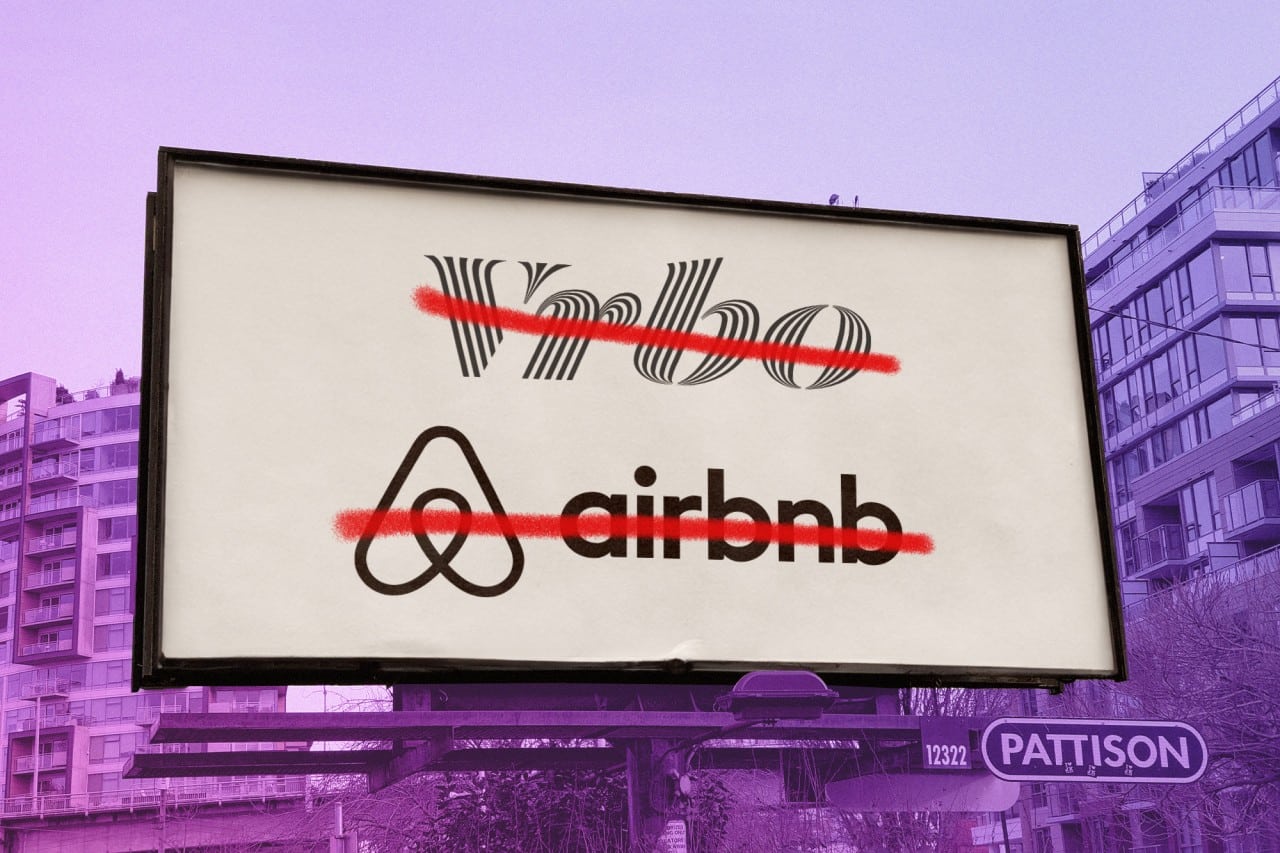
It’s no secret that Airbnb, the largest short-term rental platform in Canada, has been skirting regulation and driving up rental prices across the country. Now, a new platform has emerged to provide an ethical alternative.
The Fairbnb Co-op, which began in Europe in 2014, soft-launched a Canadian platform on Wednesday. It doesn’t have any listings yet, but once a critical number of hosts have signed up, the platform will officially launch in South Georgian Bay, Ont.
In many ways, FairBnb serves an identical function to its namesake. But it will be different from Airbnb in two important ways.
First, hosts must prove that the property is their principal residence, cutting out the estimated 50 per cent of hosts on Airbnb who manage multiple listings. And 50 per cent of the platform’s service fees go into developing community land trusts (CLTs), which are non-profit corporations that own land and use it to benefit their communities.
“I know it’s going to take a while to build out, but hopefully as the platform takes ground, we’ll see some really meaningful support of community land trusts where they already exist, or substantial donations to the network,” said Nat Pace, director of the Canadian Network of Community Land Trusts (CNCLT).
“We would use those funds to try to seed CLTs, especially those that are being led by equity-deserving groups such as Black and Indigenous communities.”
In Europe, Fairbnb’s platform has over 2,000 listings and has raised €1 million in investments to further its development.
A perpetually affordable housing solution
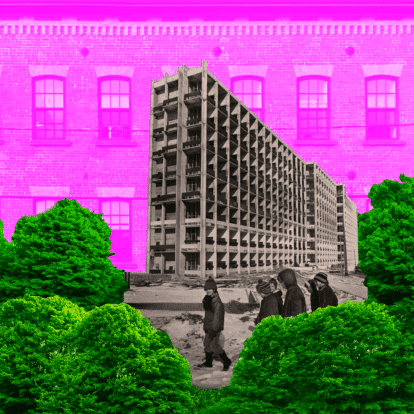
In essence, CLTs are non-profit organizations whose assets are cooperatively owned and managed by members of the community. Around 40 land trusts currently operate across Canada, with a diverse range of mandates and communities served.
While the lands stewarded by CLTs do not necessarily include housing, acquiring and developing affordable housing is a focus of many Canadian CLTs.
“Land trusts, if done correctly, can provide affordable housing in perpetuity,” Pace told The Breach.
The contemporary resurgence of CLTs in Canada began in 2014, with the Parkdale Community Land Trust in Toronto, which now owns over 1,000 units of affordable housing.
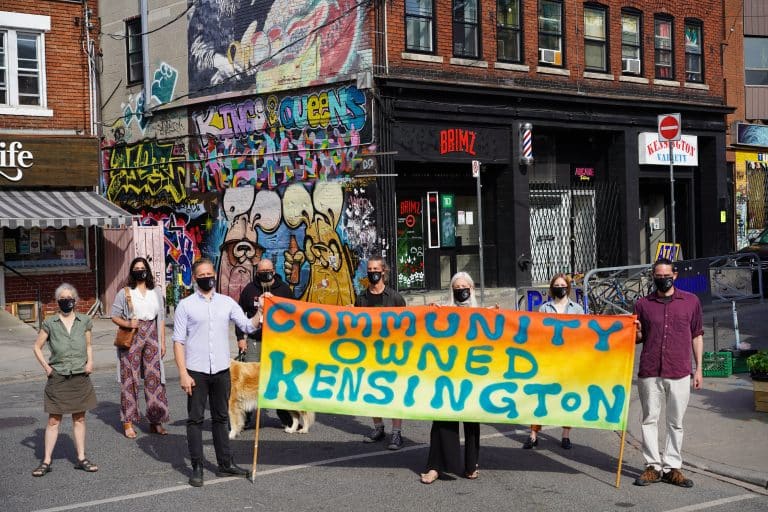
Today, a number of community-led land trusts operate in the city, including in Chinatown, Little Jamaica and Kensington Market.
Despite the potential for land trusts to secure permanent affordable housing for Canadians, investment in the model remains an ongoing challenge.
The CNCLT began as a volunteer-led organization in 2017. But it wasn’t able to hire paid staff until 2022, when the organization got a grant from the Canadian Mortgage and Housing Corporation.
Securing funding so that land trusts can compensate staff and develop organizationally is crucial, Pace said.
“A lot of the funding opportunities that are available from CMHC are more focused on building new, affordable housing,” they said. “But there’s not a lot of money in there for those groups to develop a strong governance model or develop bylaws to ensure that their assets remain perpetually affordable.”
That’s where Fairbnb’s funding model could make a critical difference.
Exorcizing ghost hotels
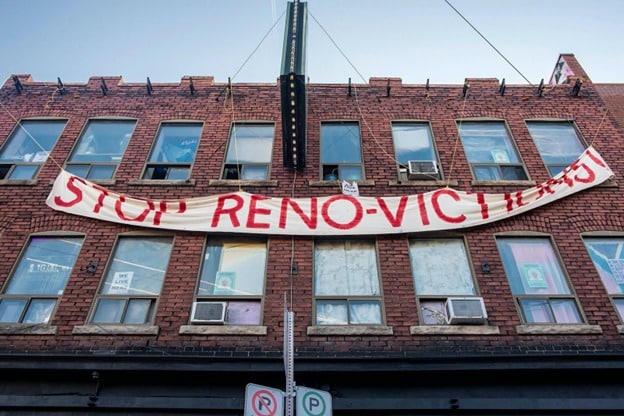
According to Inside Airbnb, a watchdog group, 46 per cent of Airbnbs in Toronto are operated by commercial hosts with multiple listings, despite this being illegal in the city. It’s a pattern that repeats itself across the country, especially in major cities and tourist destinations such as Whistler, B.C., Prince Edward County in Ontario, and Mont-Tremblant in Quebec. Over half of these listings are unlicensed by the municipalities in which they operate.
“The research has been abundantly clear that, while most people that host on Airbnb rent out their own home, there is a small percentage of hosts that have accumulated investment properties and run these investment properties as hotels,” said Thorben Wieditz, one of the co-founders of Fairbnb.
The result is that Airbnb has removed a significant portion of the housing stock from the market, driving up prices and rents.
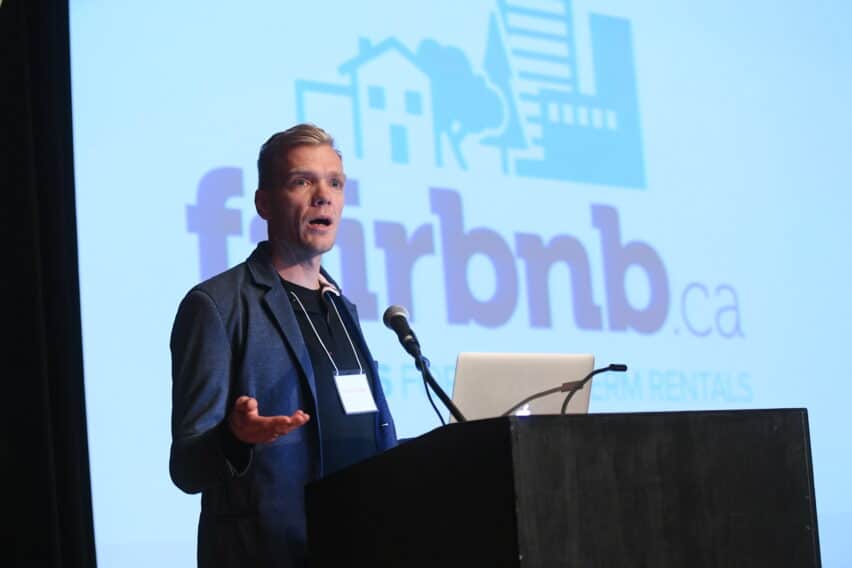
“We felt the need to provide an alternative that still allows people to rent out their own home, but to move away from a company that has made it its business model to convert housing stock into wholesale hotel inventory,” Wieditz said.
Dominique Russell, a co-chair of the Kensington Market Community Land Trust, which has partnered with FairBnB, said she has seen this firsthand in her community.
“In Kensington Market, the numbers have been staggering,” she said. “We can see the ghost hotels where our neighbors used to live.”
According to Inside Airbnb, there are 436 Airbnb listings in this small neighbourhood. Two-thirds of them are unlicensed and operated by commercial hosts.
“The housing crisis has been especially exacerbated in areas that people love to visit because they are so lively,” said Russell. “But where does that liveliness go when nobody lives there?”

‘We need an outlet, a source of information that is credible, that is progressive, that we can cling to and believe in’
David Suzuki
Want to support journalism you can believe in? Become a sustainer today.