By all accounts, this year has been a grim one.
Genocidal violence continues unabated in Palestine and Sudan. Authoritarianism is rapidly consolidating in the United States. In Canada, the housing crisis is worsening, while chaotic, tariff-driven policies from our southern neighbour deepen economic uncertainty. Meanwhile, the nationalist “elbows up” rhetoric that helped the new Liberal government secure a return to power has proven to be a veneer, concealing a policy agenda of militarism, austerity, and corporate favouritism on a scale not seen in decades.
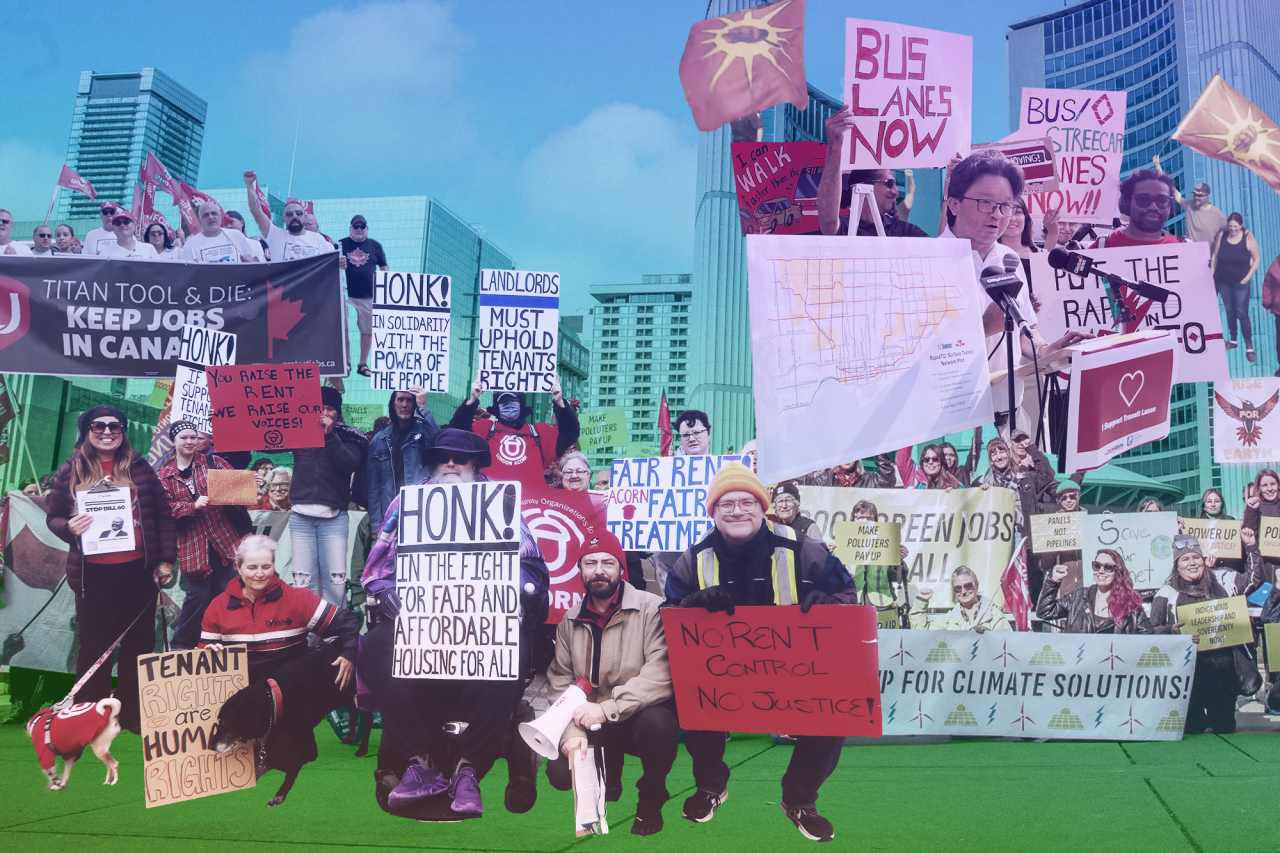
As organizers gear up for what’s likely to come in 2026, it’s important to recognize that, despite everything, social movements still scored notable victories in 2025.
Continuing an annual Breach tradition, here are 15 wins from this year to celebrate and draw inspiration from as we head into the year ahead.
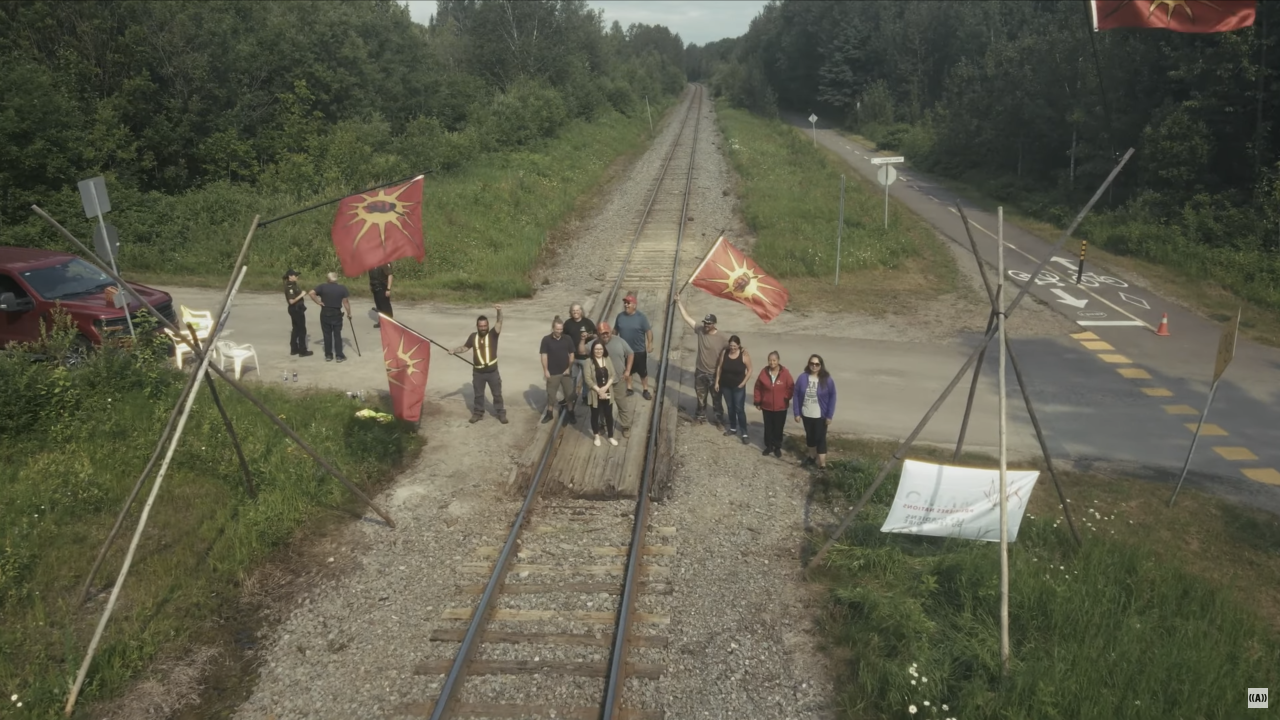
Forest defense: The CAQ government in Quebec had proposed Bill 97, legislation that would have significantly increased timber extraction, giving industrial loggers exclusive access to large portions of the province’s forests while threatening Indigenous rights and conservation efforts. Through months of direct action, blockades, protests, popular education, and lobbying, a coalition of Indigenous nations and student, social justice, and environmental groups successfully defeated the bill.
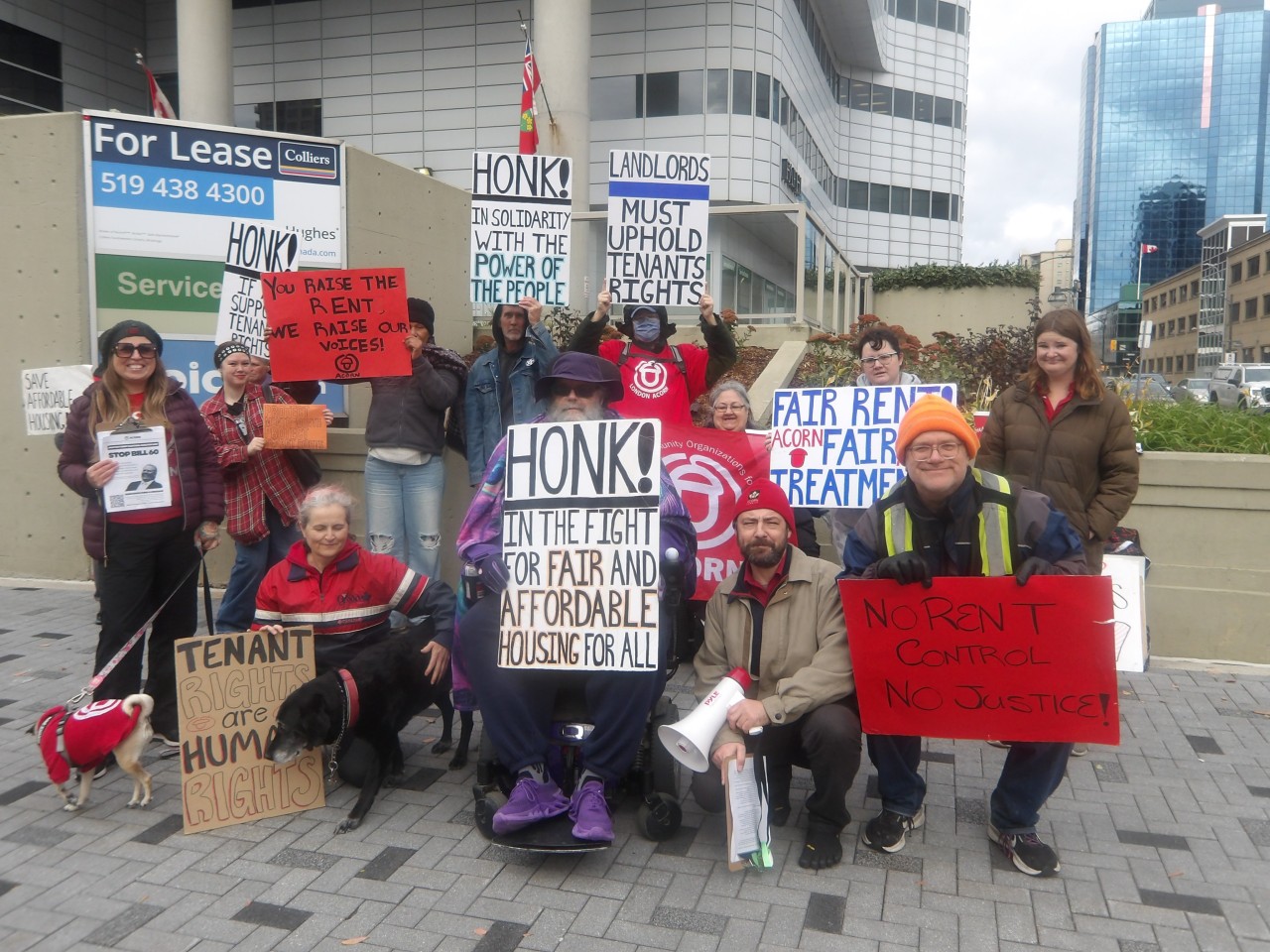
Tenant organizing: More and more tenants have been organizing collectively into building committees and tenant unions. Some have worked through formal channels, such as tenant associations, mediation, and legal processes, while others took direct action like rent strikes. In all cases, their efforts were strengthened by a shared commitment to standing together against their landlords. Tenants’ associations in Toronto, London, and Hamilton defeated efforts at renoviction. Some took incremental steps on the way to holding a notorious landlord accountable.
Others successfully went on rent strikes in Chinatown and Thorncliffe Park in Toronto. In October, when the Ford government in Ontario proposed sweeping changes to laws governing housing, a major outcry from tenant organizations and their allies forced the government to withdraw an element of the bill that would have ended “security of tenure” in the province and made evictions much easier (though the bill still imposed other changes that cause harm to renters).
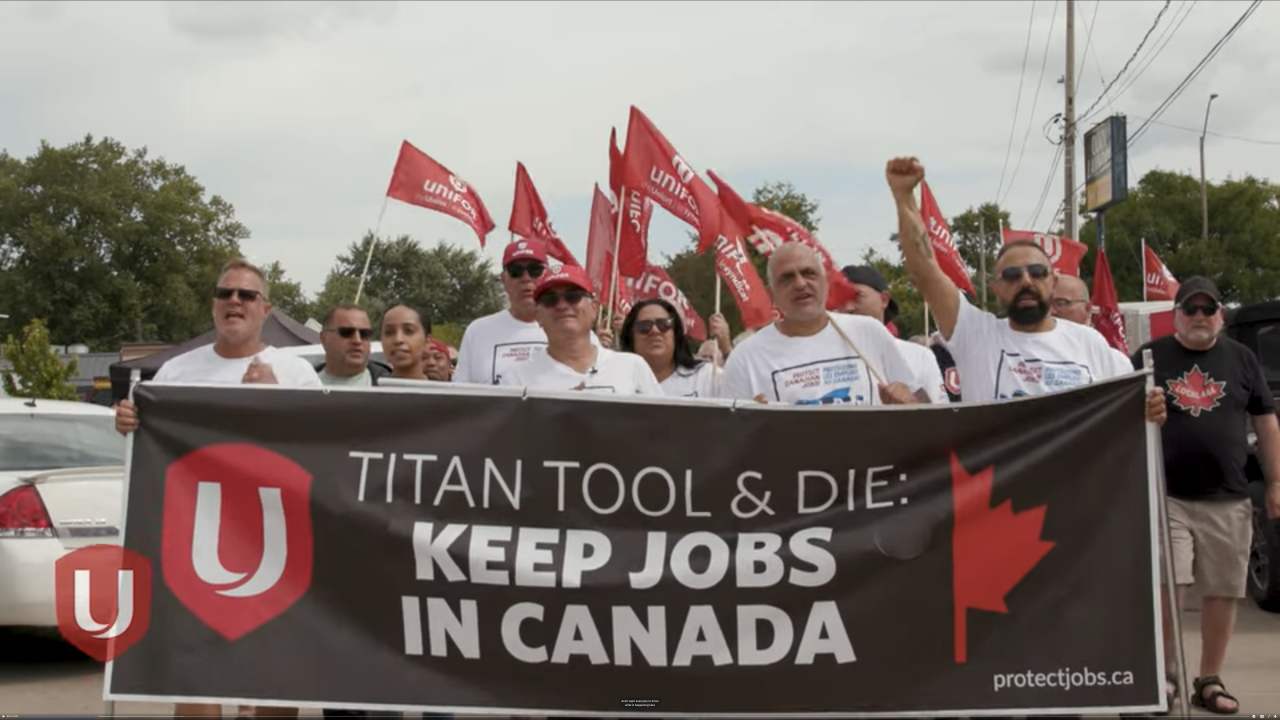
Fighting de-industrialization: Amid ongoing uncertainty related to trade, tariffs, and jobs, a group of workers at an autoparts plant in Windsor took matters into their own hands. Members of Unifor Local 195 blockaded an attempt by their employer, Titan Tool and Die, to move plant machinery across the border to Michigan, forcing the employer back to the table to discuss the future of the plant. While the victory was temporary—the company has continued efforts to relocate production to the U.S., and as of late November, the workers had been locked out by the employer for more than 100 days—it was a tactical win that showed the power of direct action by organized workers.
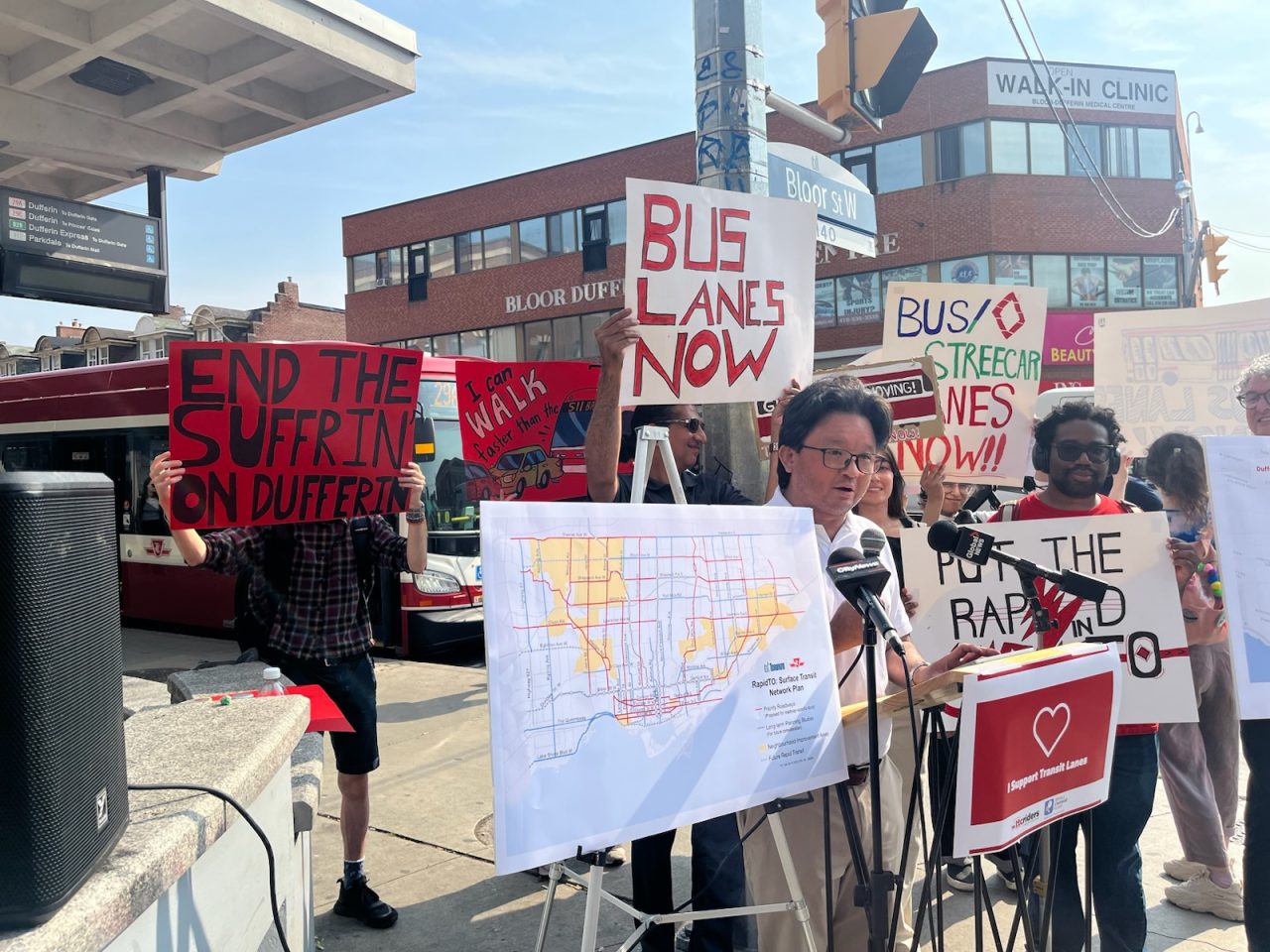
Growing public transit: In Toronto, a campaign by environmentalists and transit activists won passage of a plan to create dedicated transit lanes on Dufferin and Bathurst streets. Led by groups like TTCriders and the Toronto Environmental Alliance, the effort prioritized the city’s daily transit riders, making buses and streetcars more reliable and encouraging people to choose transit over driving.
Supporting gender equity: In the summer, reports emerged that Women and Gender Equality Canada (WAGE), the federal agency tasked with advancing equality and inclusion for women and gender-diverse people, would face a budget decrease of 80 per cent over two years. Such a drastic reduction would have devastated many feminist and 2SLGBTQIA+ organizations across Canada, threatening staff, programs, and years of expertise. A campaign by many of those same groups succeeded in pushing the federal government to announce $660 million in new funding for WAGE in the week before the federal budget.
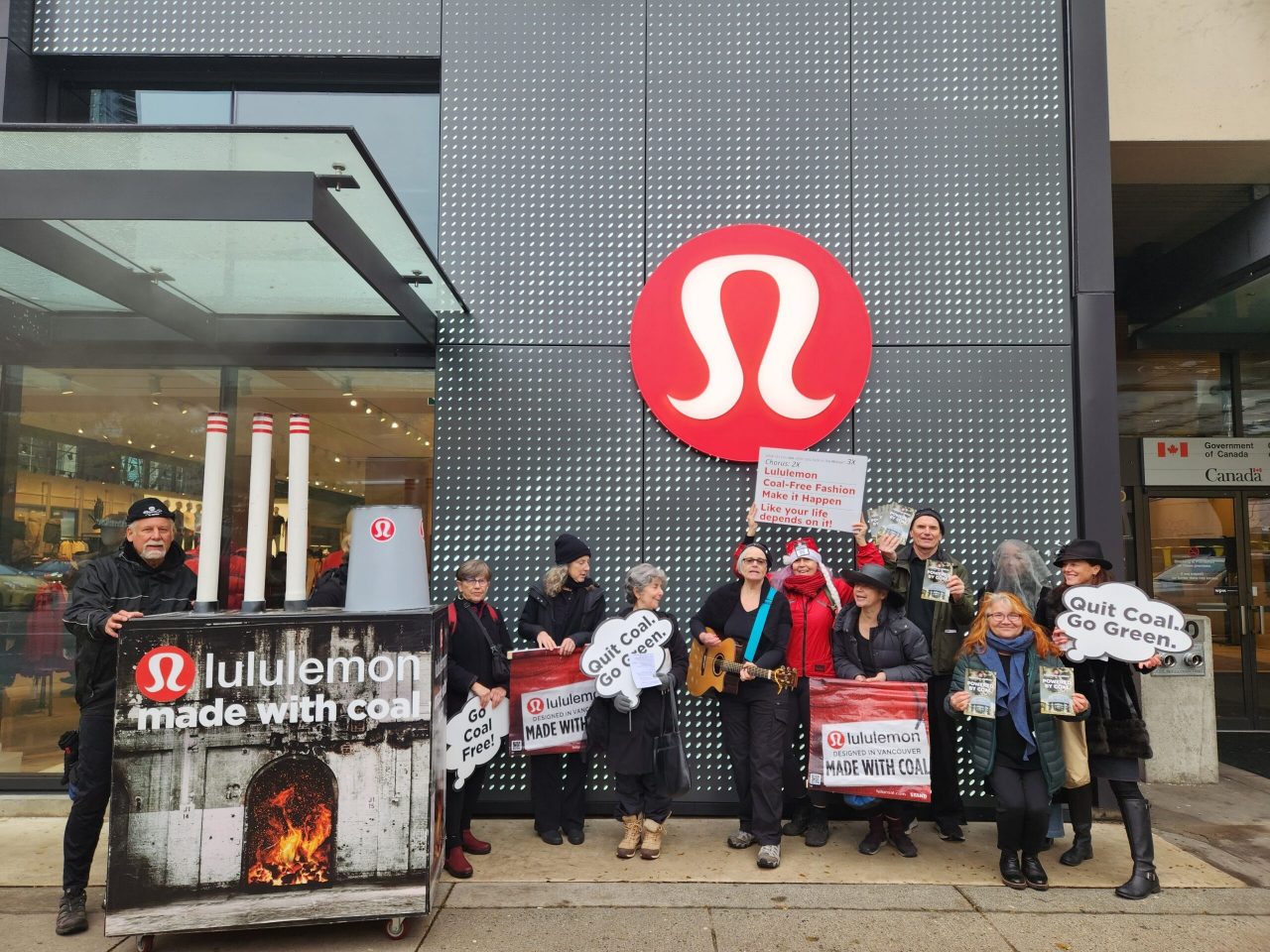
Climate-friendly clothing: A global campaign involving tens of thousands of people pushed Canadian clothing brand Lululemon to agree to reduce the climate pollution in its supply chain.
Solidarity with Palestine: In response to the Israeli state’s genocidal violence in Gaza, solidarity with the Palestinian people became a major focus of grassroots organizing in Canada in 2025. Many of the victories in this area came from mobilizing communities to pressure civil society organizations, businesses, and governments to take concrete actions or public stances in support of Palestine. This includes two years of organizing by writers and cultural workers that got the country’s largest literary award, the Giller Prize, to cut ties with Scotiabank, a major investor in Israeli arms firm Elbit.
In the education sector, Ontario teachers pushed their pension plan to divest from some arms companies. Eighteen Canadian performing arts and theatre organizations joined the cultural boycott of Israel. Regina physicians voted to remove their money from banks investing in the Israeli arms industry. Students at the University of British Columbia passed a referendum for a student strike in support of Palestine, and faculty associations at the University of Ottawa, the University of Toronto, and McGill University voted to support divestment.
The central labour federations in Nova Scotia, New Brunswick, Newfoundland, Quebec, and Ontario voted for a range of pro-Palestine measures, many of them calling for a full two-way arms embargo and some designating arms shipments bound for Israel as “hot cargo”—meaning unions shouldn’t handle them.
Others called for an arms embargo, including Unifor, Canada’s largest private sector union, as well as city councils in Burnaby, B.C., St. John’s, Newfoundland, and the Anglican Church of Canada. The Presbyterian Church of Canada also voted to support the boycott, divestment, and sanctions campaign. The strength of movement organizing forced the Canadian government to take the symbolic but important step of recognizing the state of Palestine. In November, the Palestinian flag was raised at Toronto City Hall—a historic first following a petition from the International Centre of Justice for Palestinians.
Joining unions: In these tough economic times, some people are working together to win the additional protection that comes with a unionized workplace. Perhaps the biggest victory on this front in 2025 saw 16,000 part-time and sessional college workers in Ontario finally succeed in their efforts to unionize after 20 years of legal and on-the-ground struggle. Smaller wins were scattered across the country—education workers in northern Alberta, A&W workers in Kamloops, Uber drivers in Victoria, Canadian Tire workers in Ottawa, H&M workers in Mississauga, and lots of others. In some of these instances, they were the first workers with a given employer in their province or in the country to successfully unionize.
Winning strikes: Two groups of relatively low-pay members of the Canadian Union of Public Employees—in both cases, mostly women—showed the power of solidarity on the picket line. The strike by education workers in Alberta lasted as long as 17 weeks in some places, and some picket lines faced temperatures as low as -51°C. The workers persevered and won agreements that exceeded the bargaining mandate imposed by the Alberta provincial government. Later in the year, Air Canada flight attendants, who were focused on ending the requirement that they do unpaid work, surprised their employer and the federal government by defying a back-to-work order and forcing Air Canada back to the bargaining table. Many flight attendants were not happy with the resulting agreement—they were only allowed to vote on the wage proposal, which over 99 per cent rejected—and with the process that their leadership agreed to, but that does not negate what their solidarity and defiance were able to achieve.
Defending the land: Members of Brokenhead Ojibway Nation mobilized in opposition to a proposed deal with sand-mining company Sio Silica, citing environmental concerns, and defeated it in a community referendum.
Mobilizing youth for climate: A multi-year campaign by the Climate Emergency Unit has pushed for a federal Youth Climate Corps, which would make significant investments in creating training and employment opportunities for youth in climate-related fields. This year’s federal budget created the program, though it offered a level of funding much lower than the campaign has been asking for—just $40 million instead of $1 billion. Nevertheless, advocates see its creation as a pilot project whose success can be demonstrated and built on.
Affordable daycare: When an Ontario daycare provider opted out of the affordable $10‑a‑day program and tried to institute massive fee hikes, parents organized and won, forcing the centre to stay in the Canada‑Wide Early Learning and Child Care (CWELCC) system and reverse proposed fee increases.
Campus environmentalism: Student mobilization pressured the University of Toronto’s Trinity College to live up to an earlier commitment to divest from fossil fuel industries five years ahead of schedule. Elsewhere, students at the Okanagan campus of the University of British Columbia won the passage of three resolutions strengthening their student union’s action on environmental questions, and also gave students greater decision-making power over campus investments, divestment strategies, and the alignment of the union’s finances with long-term social and environmental goals.
Municipal mobilization: Residents getting together and pressuring their city councils continued to score victories in 2025. For example, community opposition to an initiative to disband advisory committees that provide input from marginalized groups to the city council in Vancouver led to the measure being withdrawn. And consistent action on the issue by residents of Hamilton has ensured that their city council continues to oppose expansion of the city’s urban boundary, in the face of pressure from developers and the provincial government to do so.
Small decolonial steps: Three land defenders charged for their involvement in protecting Wet’suwet’en territory received reduced and suspended sentences in a “precedent setting” case, with the judge factoring in the previously-recognized rights and Title of the Wet’suwet’en. While Canadian courts remain deeply colonial institutions, the land defenders suggest it should be seen not just as a decision by an individual judge but as small gains resulting from years of struggle by Wet’suwet’en people and their allies on the land and in the courts.
The wave of changes spurred by federal and provincial governments in 2025 in response to the global political situation have only just begun to make an impact on people’s everyday lives, and things are quite likely to get worse in 2026. But as always, the only way we’re going to reduce those harms and start to reverse the tide is by taking action together.

‘The first video I ever made with The Breach was on why we need to support the movement for Land Back. Today, it’s being used in educational settings everywhere—in universities and colleges and children’s classrooms too. When I give talks, people will say, ‘I saw your video and it helped me understand the issue.’
That’s what we do at The Breach—reach people where they are at, with bold ideas, principled analysis, and critical investigations.” – Pam Palmater, scholar and author
Become a sustaining member of our work today.
Trans Rights | A Prairie alliance of trans advocates and unions should be a national model
Labour | Canada Post faces two futures—a revitalized public service or a billionaire cash machine
Palestine Solidarity | As Jewish faculty, we stand against Trump’s purge of pro-Palestinian scholars

1 comment
Comments are closed.

Thanks for the backlinks.