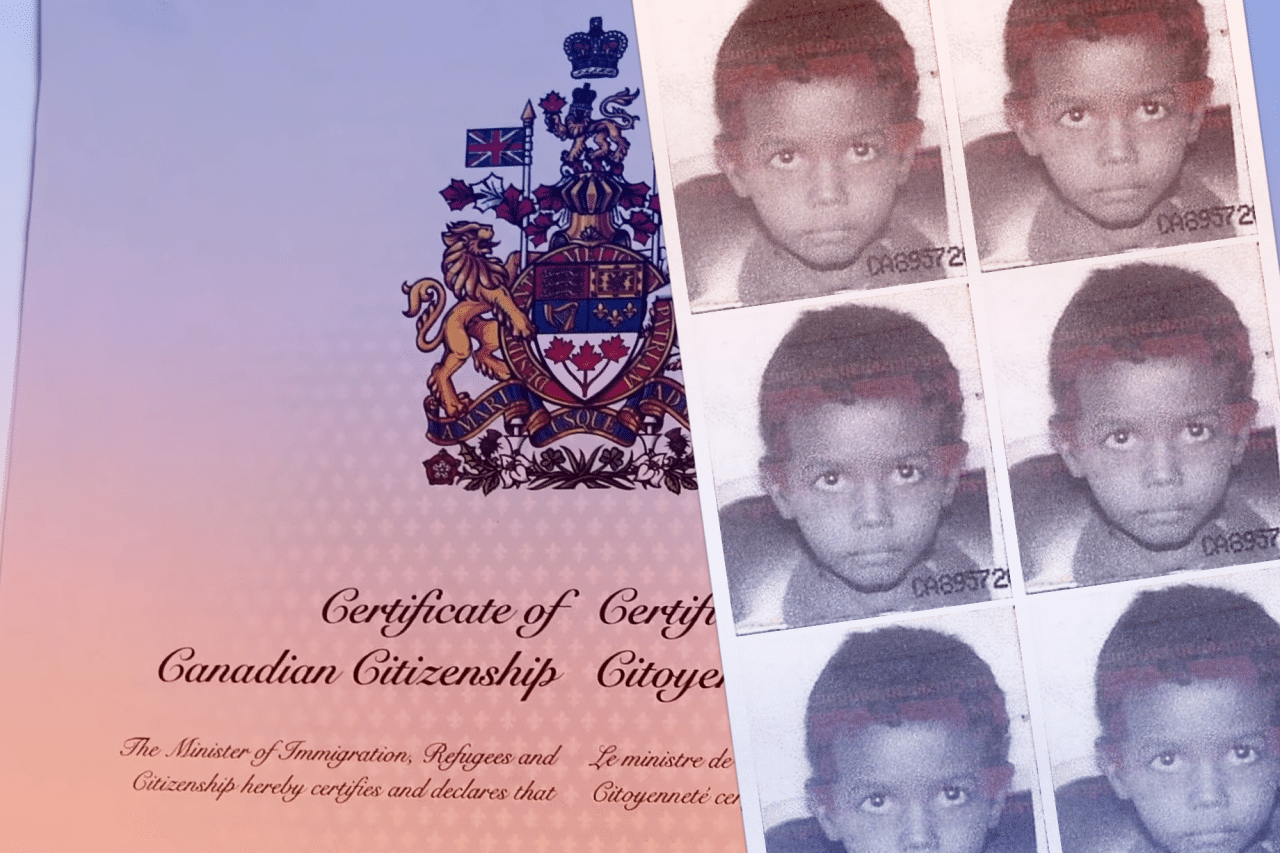
For years, young people who came to Canada as children and were taken into state care have been learning that no one ever made them citizens.
Many don’t make the shocking discovery until a border agent serves them deportation papers.
The stories of Abdoul and Fatouma Abdi, Kiwayne Jones, and Abdillahi Elmi have exposed the neglect of child welfare agencies toward the immigrant children in their care.
After nine years of empty promises, the Liberal government has failed to create a permanent pathway out of this immigration nightmare for those who were failed by the child welfare system. Instead, they’ve ramped up a deportation machine that is likely to target these young people for removal.
When the children of immigrants or refugees are taken into child welfare custody, their parents or guardians lose the right to apply for their citizenship. But, as the Canadian Bar Association notes, “child welfare workers are not adequately trained to help a child apply for citizenship, and do not have the capacity to assist with necessary paperwork and follow-up due to their caseload.”
“The government was our parents,” Fatouma Abdi told CBC in 2018, while fighting against the deportation of her brother Abdoul. The Somali siblings, whose family sought refuge in Canada in 2000, survived horrendous abuses while in the custody of Child Protective Services in Nova Scotia. After being shuffled through over 30 group homes as a child and becoming entangled in the criminal system as an adult, Abdoul was threatened with deportation.
Although Abdoul’s deportation order was eventually dropped, to this day neither he nor his sister have obtained citizenship. The failure of child welfare workers to keep their immigration papers up-to-date has mired the pair in a bureaucratic quagmire, with no clear pathway to full status.
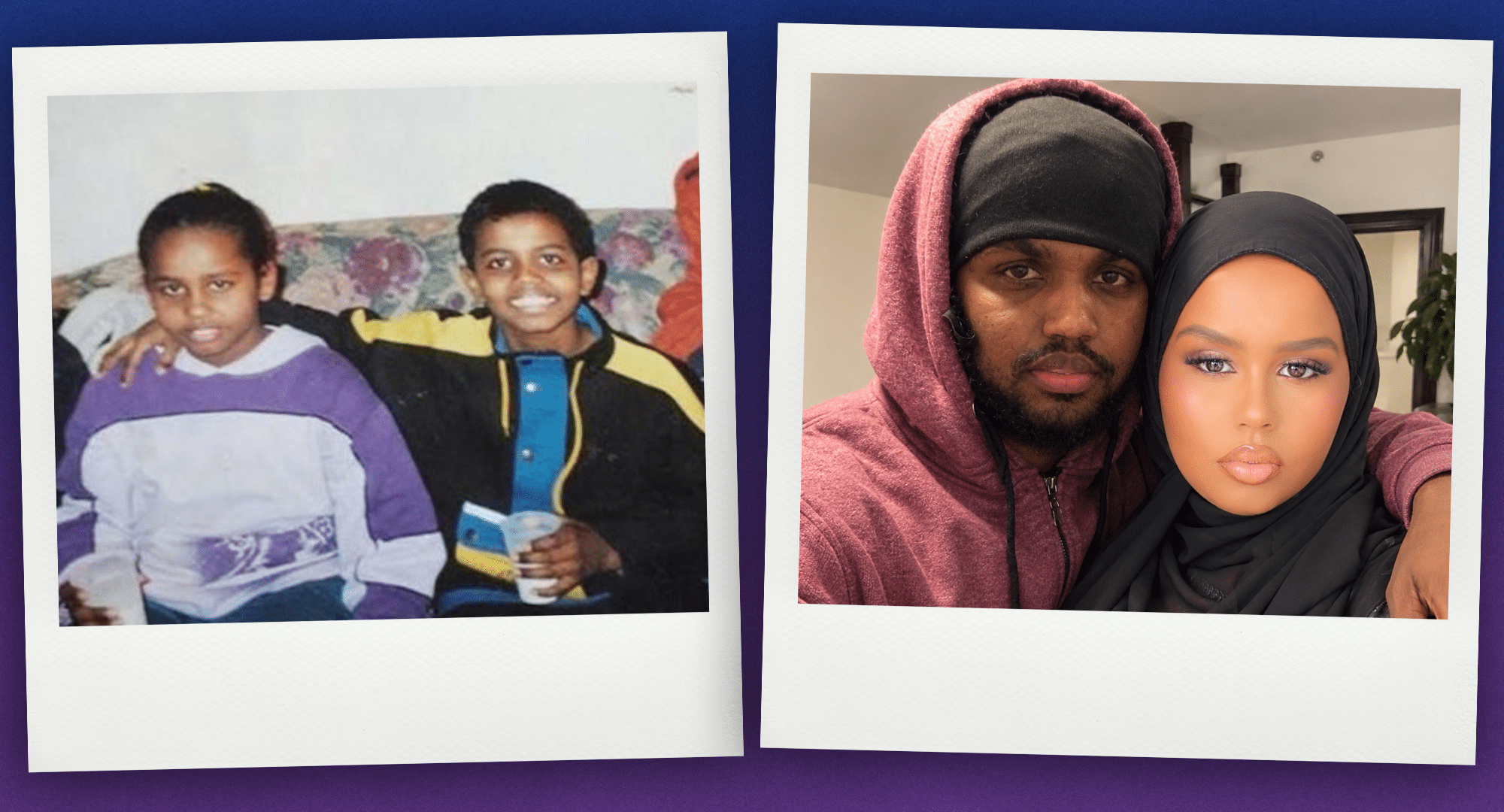
I captured Abdoul’s struggle in the final chapter of my 2020 book on Black experiences in Canada. I have since worked with other Black youth who also spent years in the child welfare system and aged out of it without citizenship.
Kiwayne Jones told The Toronto Star in 2019, “I felt I was Canadian, but in reality I wasn’t.” Jones was born in Jamaica and spent nearly a decade in Ontario’s child welfare system. Children’s Aid and foster caregivers failed to apply for his citizenship. He launched a class action lawsuit against the government of Ontario in 2019, and alleged that the province failed “to take all reasonable steps to maintain permanent residency status and pursue and obtain Canadian citizenship for the non-citizen Crown wards in its care.” The case continues to drag through civil court.
Ottawa has long said it’s committed to making sure the young people caught in this bind can become citizens. The Liberal government first acknowledged gaps for non-citizen youth in 2017, but in the past nine years, it has shown little urgency to act.
Instead of changing the necessary laws, the government created a temporary pathway for people who arrived in Canada as children, were in the care of the child welfare system, and are now facing deportation, to apply for permanent residence. That pathway is set to expire in two months.
We don’t know how many citizenship applications for children in state care were neglected, and many of those people likely aren’t aware themselves. We do know that a lack of citizenship prevents these young people from getting a passport and travelling freely, applying for certain jobs, and having equal access to health care. And, in the worst cases, it ends in deportation— forcibly sending young people to countries they haven’t seen since infancy, where they may face serious danger to their lives.
With Prime Minister Mark Carney’s Liberal government pushing an unprecedentedly aggressive deportation plan, young people failed by child welfare services are likely among the targets for removal.
The legislative efforts to fix this problem have failed in large part because the Liberals have not prioritized them. As one of her final acts in government, former senator Mobina Jaffer passed bill S-235, a senate proposal to create a permanent pathway to citizenship for people whose paperwork the child welfare system neglected. That bill died last year in Parliament when Mark Carney called an election.
Now, given the urgent situation, NDP MP Jenny Kwan is trying to re-introduce the bill. But as Kwan is not a member of the government, her proposal sits in a sort of legislative purgatory: in order for her bill to be debated, it must be drawn in a lottery of private members’ bills. There’s no justification for these slim odds, of course—the government could make this bill a priority and use its majority to make it law.

While this neglect can happen to any non-citizen in state care, Black youth often experience the most devastating outcomes. Black children are disproportionately taken from their families in Canada. Kids who enter child welfare are far more likely to encounter the criminal justice system, and Black kids in care are among the most criminalized.
When combined with a lack of citizenship, these youth can face deportation from Canada if they’re convicted of serious criminal offences. A conviction can also delay a person’s ability to apply for citizenship.
This is what happened to Abdoul, who was convicted of aggravated assault and other charges in 2013 and served nearly five years in prison. The day he was released from prison, he was apprehended by the Canada Border Services Agency, which moved to deport him to Somalia.
The Liberals have been in power throughout the nine years since Abdoul’s struggle against the double punishment of deportation after incarceration made national headlines. Under questioning from Fatouma at a town hall in 2018, former Prime Minister Justin Trudeau acknowledged that the system had failed her brother. But Trudeau failed to act, even as his government ramped up deportations before his departure in 2025. Carney has picked up where Trudeau left off by setting a new record for deportations last year.
It’s been my privilege over the past decade to support young people who were never protected in this country, as they fight for their futures and for others like them. Ending their administrative nightmare is one front in the struggle to end all exploitative and unfair immigration practices.
Carney’s Liberals owe justice to the children who were raised and failed by the Canadian government. It’s time to finally lift the burden of advocacy from these young people’s shoulders.

I often hear that I’m lucky to have a full-time job in journalism.
Critical, bold journalism that isn’t beholden to media monopolies should be the norm—not the exception.
By supporting The Breach, you’re supporting a more robust, progressive media. Join us today.
– Katia Lo Innes, Associate Producer, The Breach
Youth justice | Instead of supporting grandparents raising children, Ontario is plowing money into private group homes
Racism | Black prisoners are assigned harsher living conditions in Ontario jails—thanks to AI

Immigration | CBSA using ‘harsh, unprecedented’ tactics in Quebec for record-breaking deportations