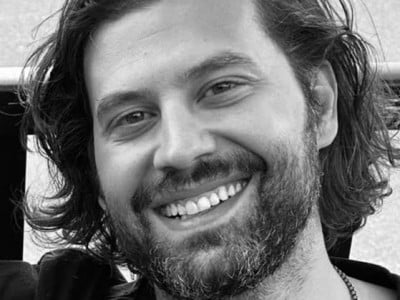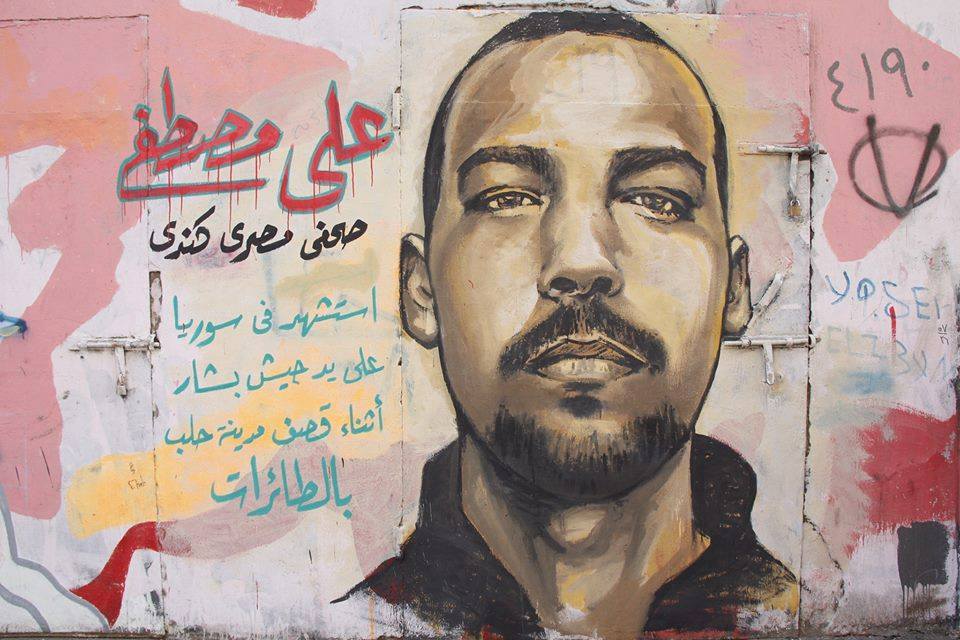
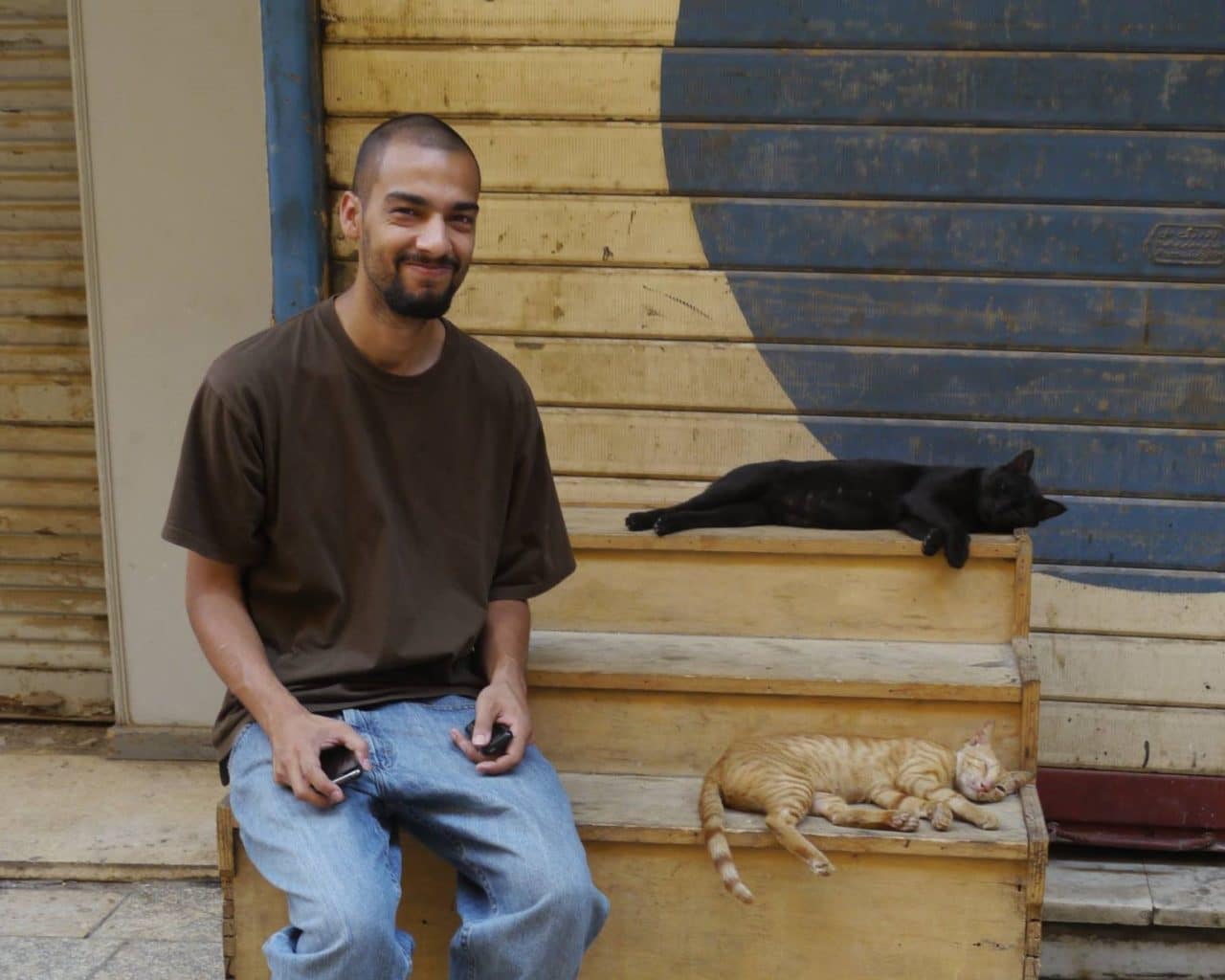
In the years leading up to his death at 29, Canadian photojournalist Ali Mustafa was revered by his friends and colleagues as a model of courage—a man possessed with the determination to document liberatory struggles taking place around the globe.
Over the course of a brief but impactful career, that courage carried him to the front lines of conflict and revolution in Brazil, Egypt, Palestine, and ultimately Syria, where in 2014 he was killed along with seven others by a barrel bomb dropped by government forces.
Ten years later—in the midst of an assault on Gaza that has killed 31,000 people and sparked an unprecedented humanitarian crisis—Mustafa’s peers have come together to honour his legacy with a nearly $10,000 donation to the Palestinian Journalists’ Syndicate and the Palestinian Children’s Relief Fund.
“We know that if he was alive today, his heart would be with Gaza,” his friend Donya Ziaee, who is part of the Ali Mustafa Memorial Collective, said.
The collective’s donation also represents a tribute to the dozens of journalists killed in Gaza since October 7th, and a gesture of solidarity with the storytellers who remain.
“I have a feeling that Ali would be trying, along with so many others right now, to get into Gaza,” Pacinthe Mattar, a Toronto-based journalist and writer, said. “I know no foreign journalists are allowed into Gaza right now, but Ali always found a way.”
From Toronto to Tahrir Square
Born and raised in Toronto, Mustafa first immersed himself in activist circles as a political science student at York University. In addition to his anti-poverty and anti-war efforts, he was an active organizer with the Coalition Against Israeli Apartheid—it was rare to attend a rally or action for Palestinian liberation without seeing Mustafa wielding a microphone or a camera, his friends recalled.
His passion for social justice was rooted in his experience growing up as a racialized person in a less wealthy part of Toronto, his longtime friend Kole Kilibarda explained. A shy, but naturally empathetic person, Mustafa was easily able to draw connections between the conditions of poverty, racism or oppression that surrounded him and those that occurred elsewhere.
“Over time, his analysis just kept deepening,” Kilibarda said. “He was really inspired by people standing up to the conditions of their existence and trying to change them.”
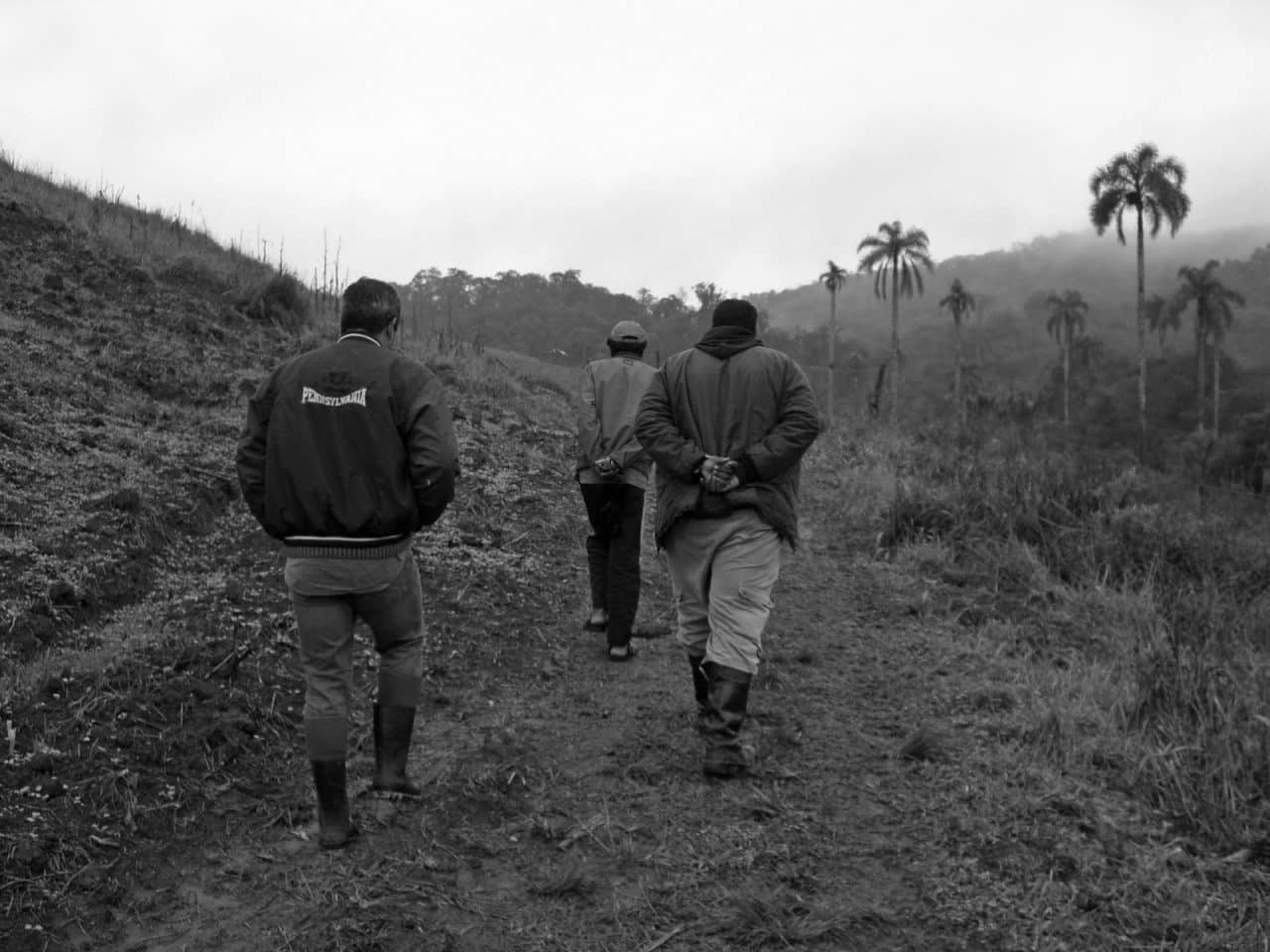
Following university, Mustafa began working as a freelance photographer, documenting his travels to Brazil in 2008 and the G20 protests in Toronto in 2010.
“Photojournalism was a passion that combined a lot of different things for him,” his friend Ziaee explained. “It wasn’t just a professional occupation—it was an extension of his solidarity activism. It was the way he showed up for the various struggles that were going on in the world.”
When the Arab Spring erupted, Mustafa found himself drawn to the front lines of revolution.
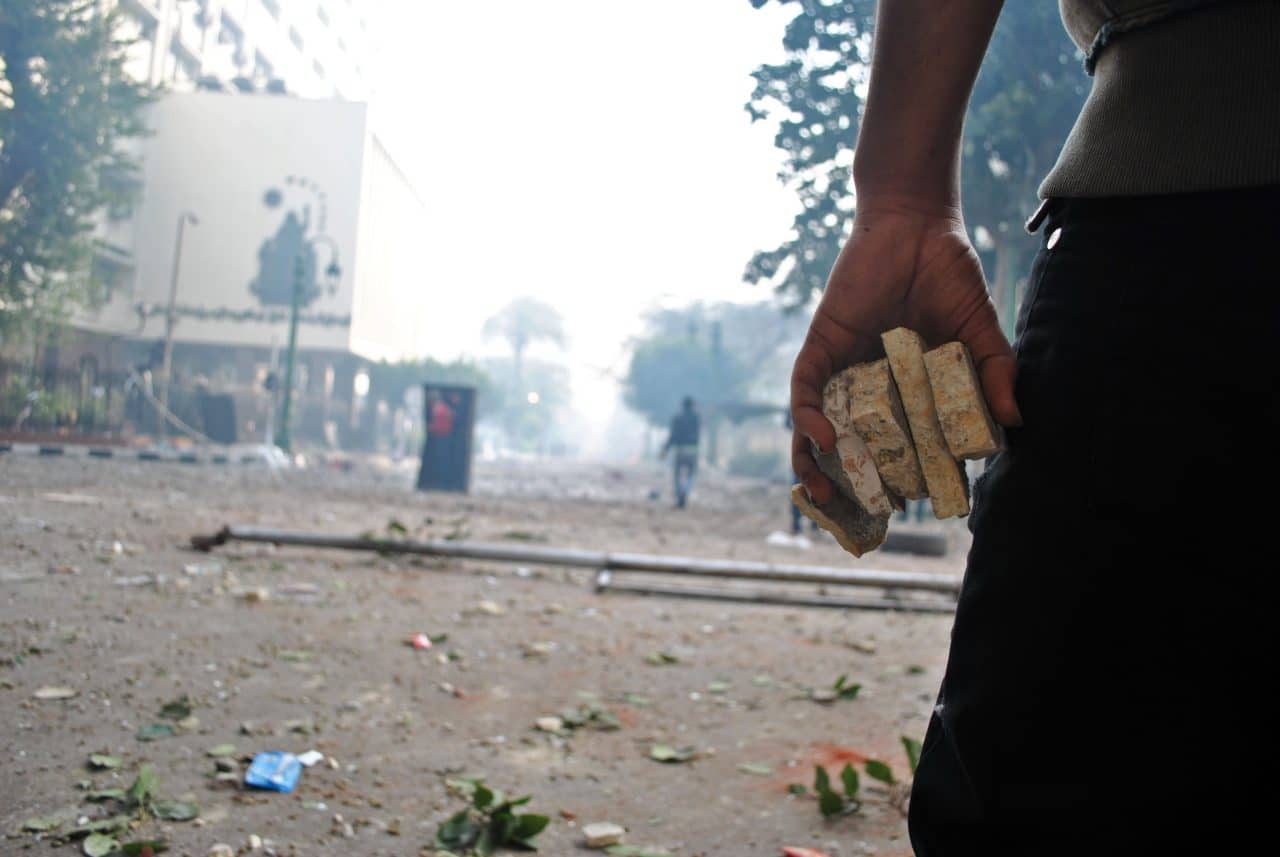
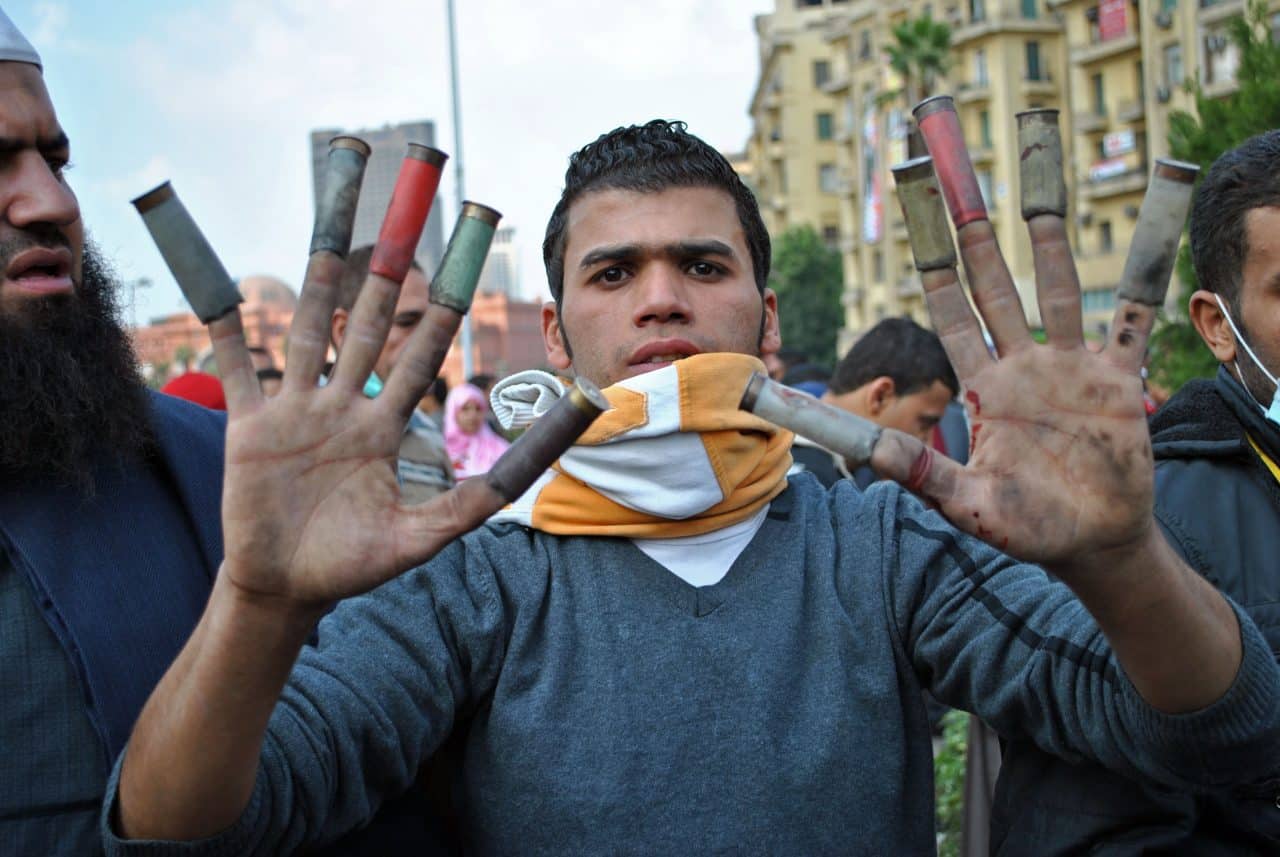
Starting in 2011, he travelled to Cairo several times to document the fallout of the Egyptian revolution, in which hundreds of thousands rose up to overthrow Hosni Mubarak’s authoritarian regime. The revolution, though successful in removing Mubarak from power, was eventually followed by a counter-revolution and a military overthrow by Egypt’s current leader, Abdel Fattah el-Sisi.
These trips were formative for Mustafa, Ziaee explained. “Having experienced the exhilaration of being at the center of revolution, only to see the dismantling of all of those gains and the nightmare that started to unfold in the aftermath—it had a palpable impact on him.”
In subsequent years, he’d travel to Palestine to document the struggle against the Israeli military occupation, and to Syria to bear witness to the humanitarian disaster triggered by the pro-democracy uprising against Bashar al-Assad.
“I’m fascinated by war…the way it impacts us as human beings,” Mustafa once said in an interview. “What does it take away? What does it leave behind? Most importantly, what does it transform us into? These are the kinds of questions that interest me more than anything else as a journalist.”
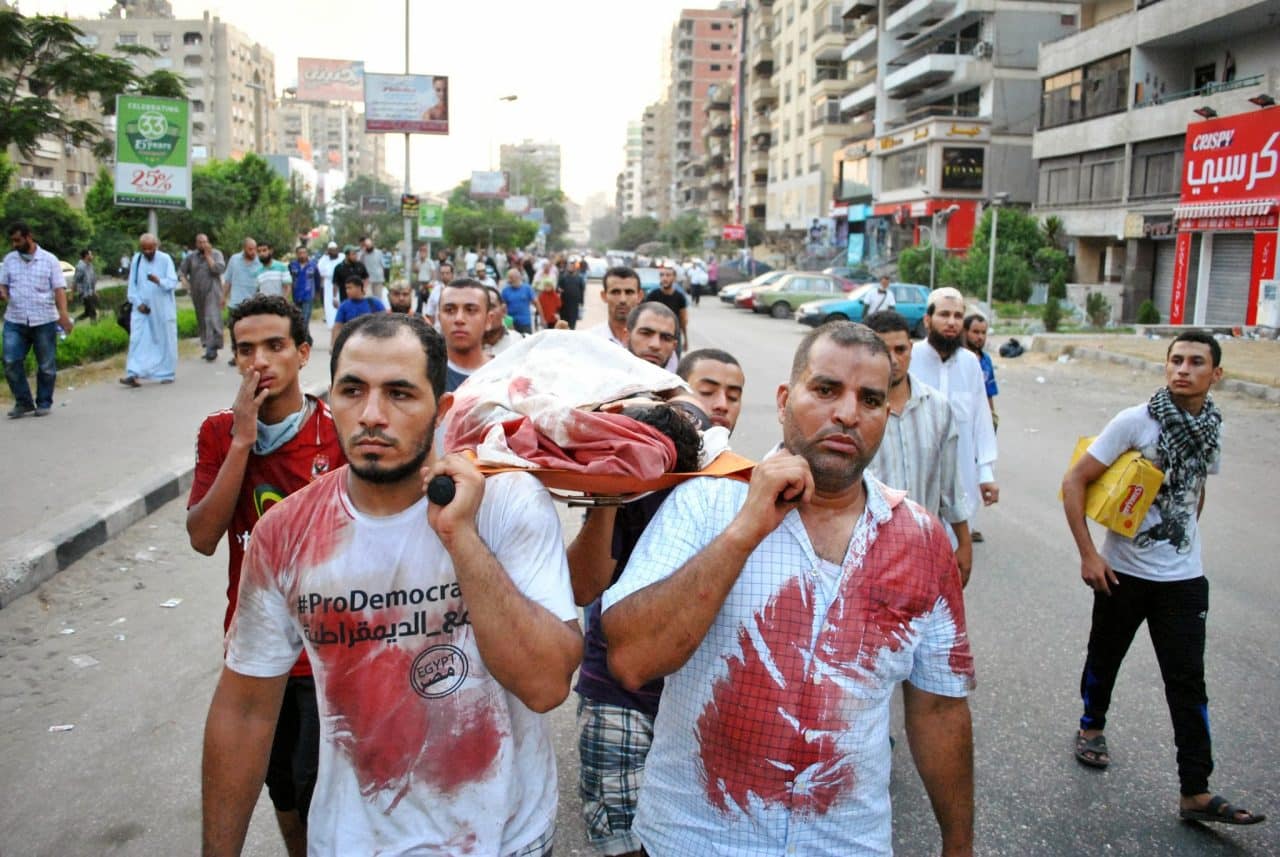
Over time, his photojournalism work gained momentum—in addition to his work for the French photo agency Sipa Press, his photographs appeared in The Guardian, Le Nouvel Observateur, Journal du Dimanche and The Times of London.
Still, as a freelancer, his work was precarious, and often self-financed. “Ali was really good at his job, but he had absolutely no institutional support,” Ziaee said.
“We know especially in conflict zones, established outlets are very reluctant to send their journalists out there. And so they rely heavily on freelancers who are willing to risk their lives to report on things that otherwise would not be reported.”
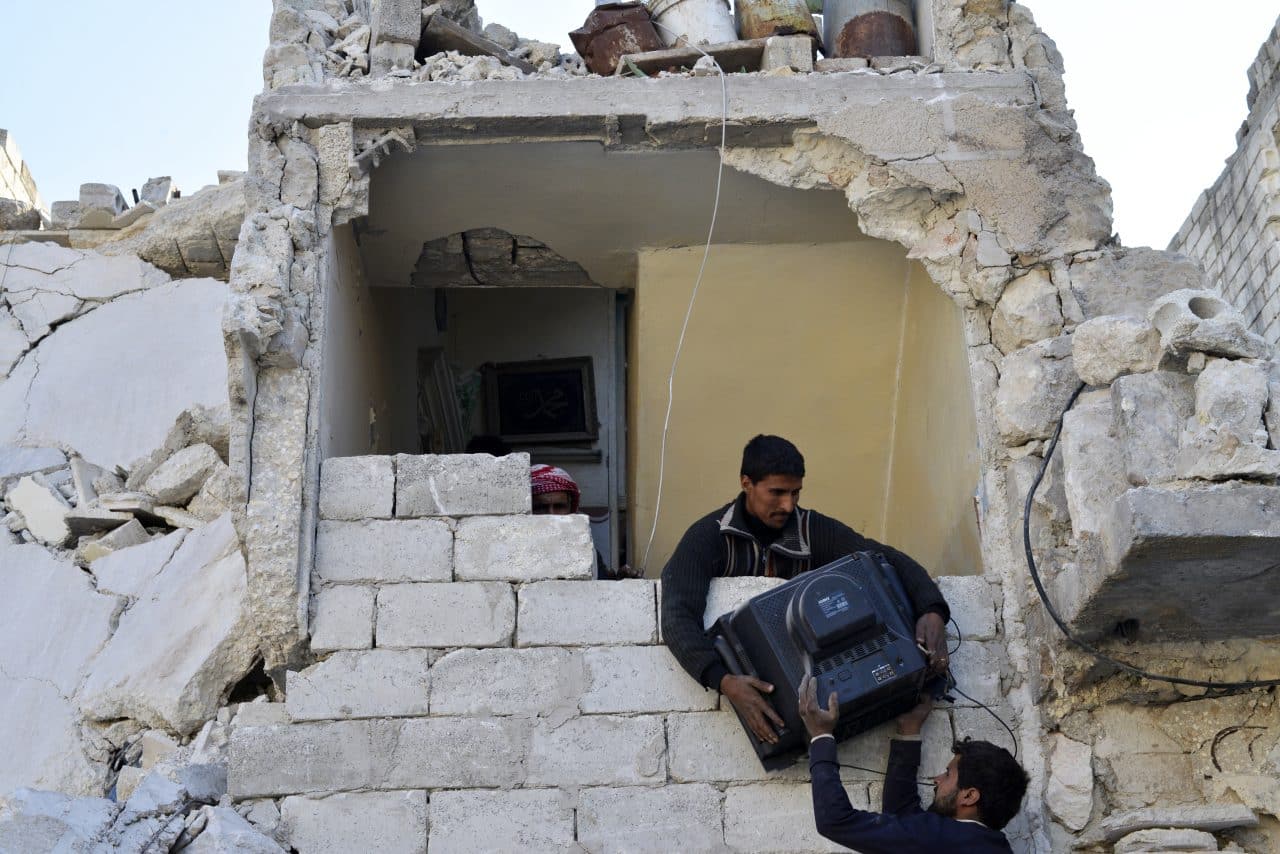
On March 9, 2014, Mustafa was documenting the efforts of a civilian rescue team in Aleppo, Syria, when he was killed by a barrel bomb—an illegal and indiscriminate weapon that, according to Amnesty International, has killed over 11,000 civilians since 2012. He was not yet 30 years old.
His death came as a shock to many of his friends and colleagues, and sparked an immediate outpouring of tributes, from Toronto to Tahrir Square.
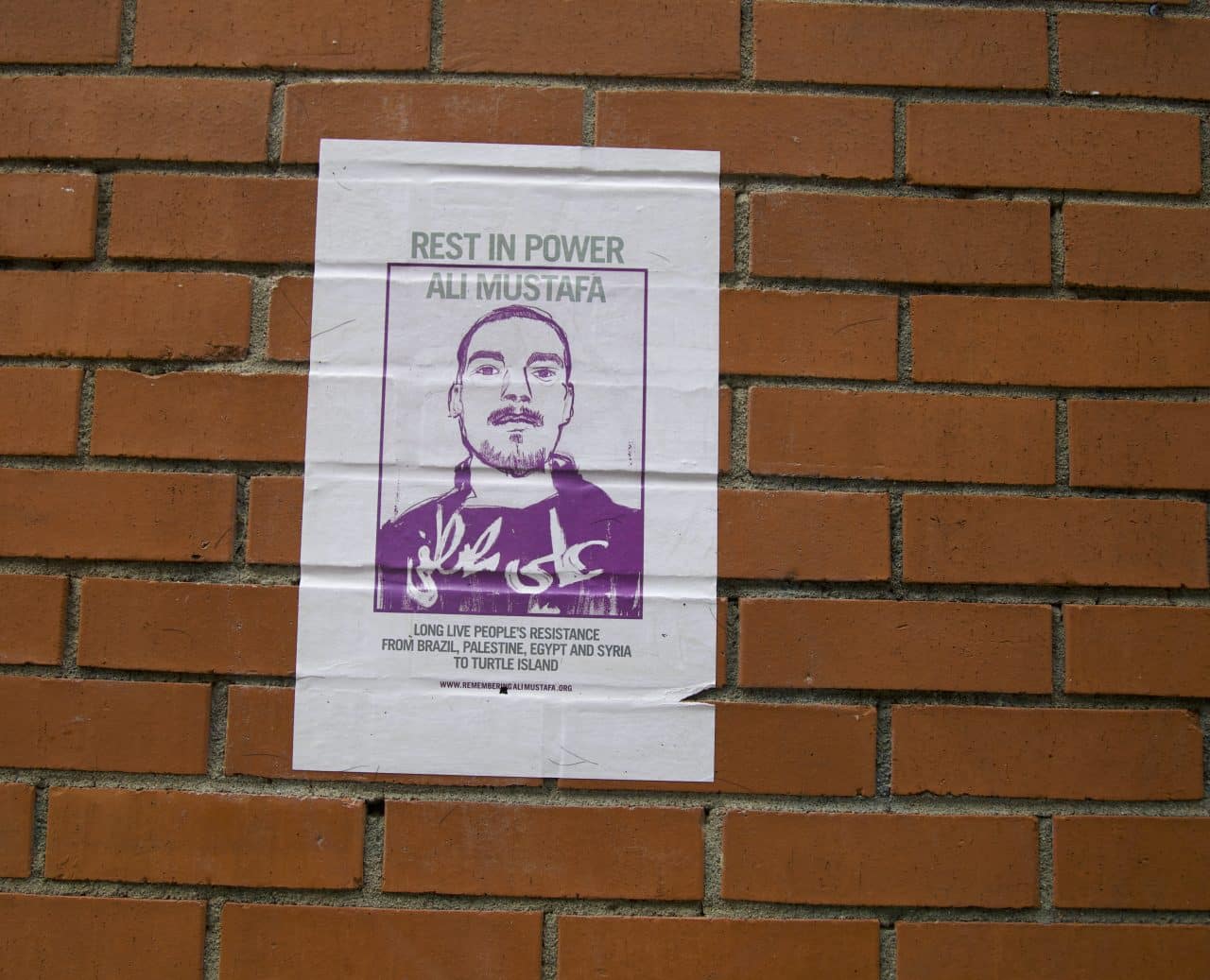
Back home, his friends and colleagues formed the Ali Mustafa Memorial Collective. In 2015, the collective launched the inaugural Ali Mustafa Memorial Award for People’s Journalism, an annual award granted in support of freelance journalists documenting grassroots social struggles.
Inspired by his dedication to tell the stories of people who would otherwise be forgotten and struggles that would otherwise be overlooked, the award has helped keep Mustafa’s memory and his legacy alive.
‘Heartbreakingly poetic’ gesture to Gaza
The ten year anniversary of Mustafa’s death arrives at a harrowing time for journalism.
Since the Hamas attack on Israel on October 7, 95 journalists and media workers, including 90 Palestinians, two Israelis and three Lebanese, have been killed, overwhelmingly at the hands of the Israeli Defense Forces, according to the Committee to Protect Journalists (CPJ).
In December, CPJ reported that more journalists were killed in the first three months of Israel’s assault on Gaza than have ever been killed in a single country over an entire year. The organization is currently investigating whether over a dozen journalists killed in Gaza—many alongside their families—were deliberately targeted by Israeli soldiers, which would constitute a war crime.
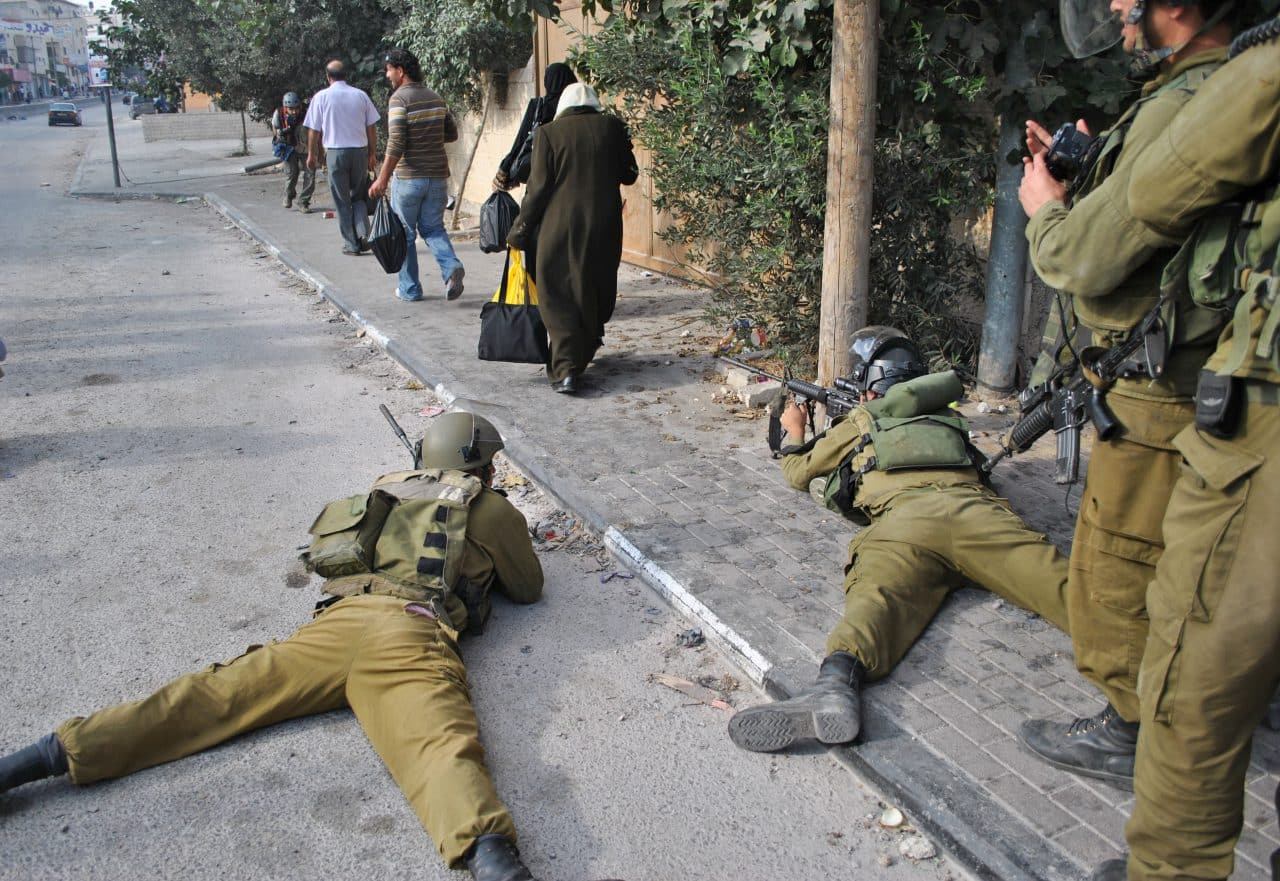
But despite these unprecedented statistics, Western mainstream media has remained conspicuously silent, Ziaee said.
“If a journalist here were to lose their life in the course of their work, there would be a huge outcry,” she said. “It would be completely unacceptable. But we don’t offer the same level of care or attention to journalists in places like Gaza because, quite frankly, I think their lives are understood to be more disposable.”
“I think if Ali was alive, he would be outraged by the absolute indifference that we’re seeing to the lives of people in Gaza in the Western world, and particularly journalists who are risking so much to get the truth out on the frontlines,” Ziaee said. “I think he would also be outraged at mainstream coverage that we’re seeing in Western media about what’s happening in Gaza. And I know that he would be trying to do his part, to correct it and to bring to light what is not being exposed.”
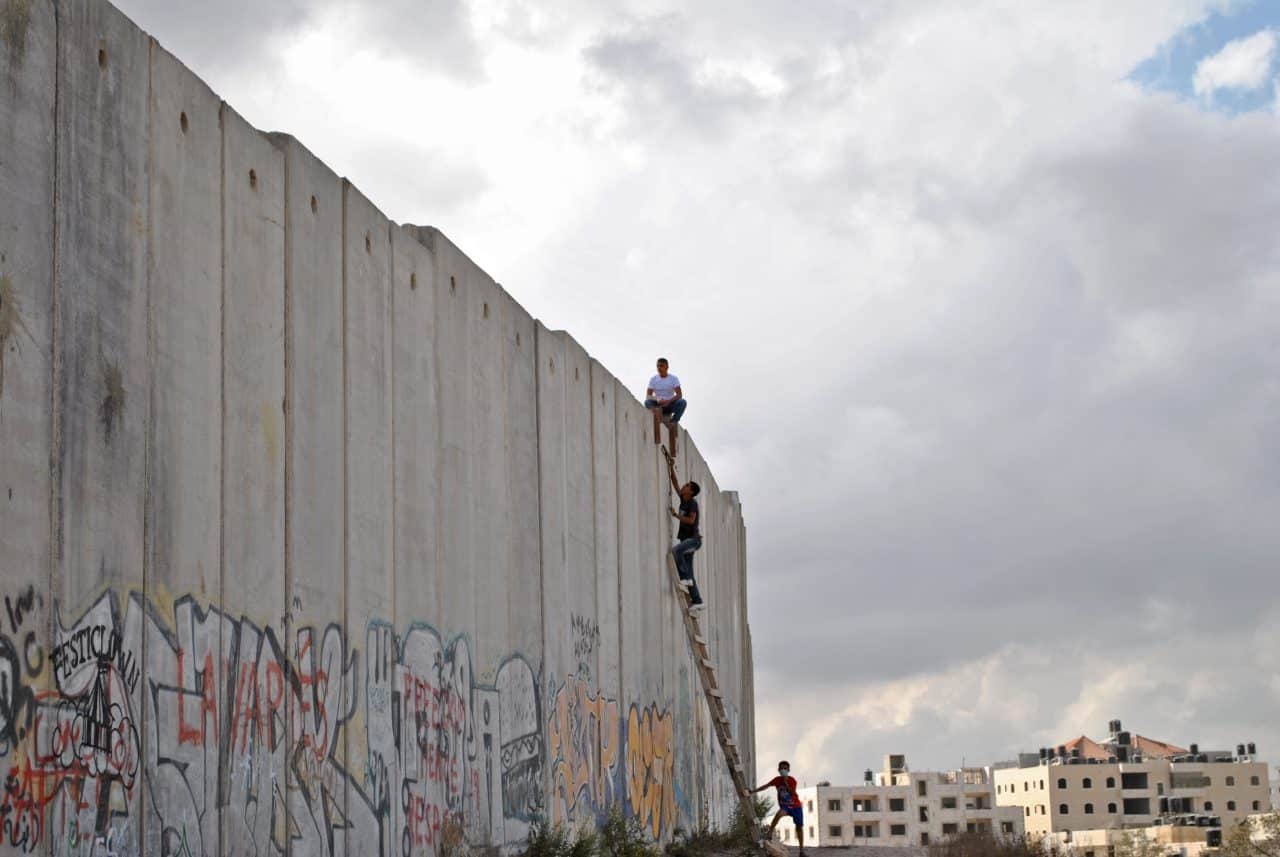
Pacinthe Mattar met Mustafa in the early 2010s while she was a journalist at the CBC. Browsing through old story pitches he emailed her over a decade ago about Egypt and Syria, she was struck by the parallels between that moment and today.
“The things that drove Ali to his reporting during the Arab Spring are the same things that are happening [in Gaza] right now.”
Mattar—who recently organized a virgil at Toronto Metropolitan University for journalists killed in Palestine, Israel and Lebanon—said she was “deeply moved” by the Ali Mustafa Collective’s decision to donate funds to the Palestinian Journalists’ Syndicate, a gesture she hopes will draw attention to the conditions faced by journalists on the ground in Gaza.
“It’s an act of solidarity, but it’s also an act of leadership on an issue that I’ve not seen any kind of interest or attention on from the Canadian journalism establishment,” she said. “This dedication of funds is a way to refocus Canadian journalists’ attention on the importance of freedom of expression and the importance of being able to bear witness without being killed.”
It’s “heartbreakingly poetic,” she adds, that the funds raised following Mustafa’s death are now being used to highlight “those who are right now paying the same high price by doing journalism, which is what Ali did up until the very end.”
A ‘love of children’
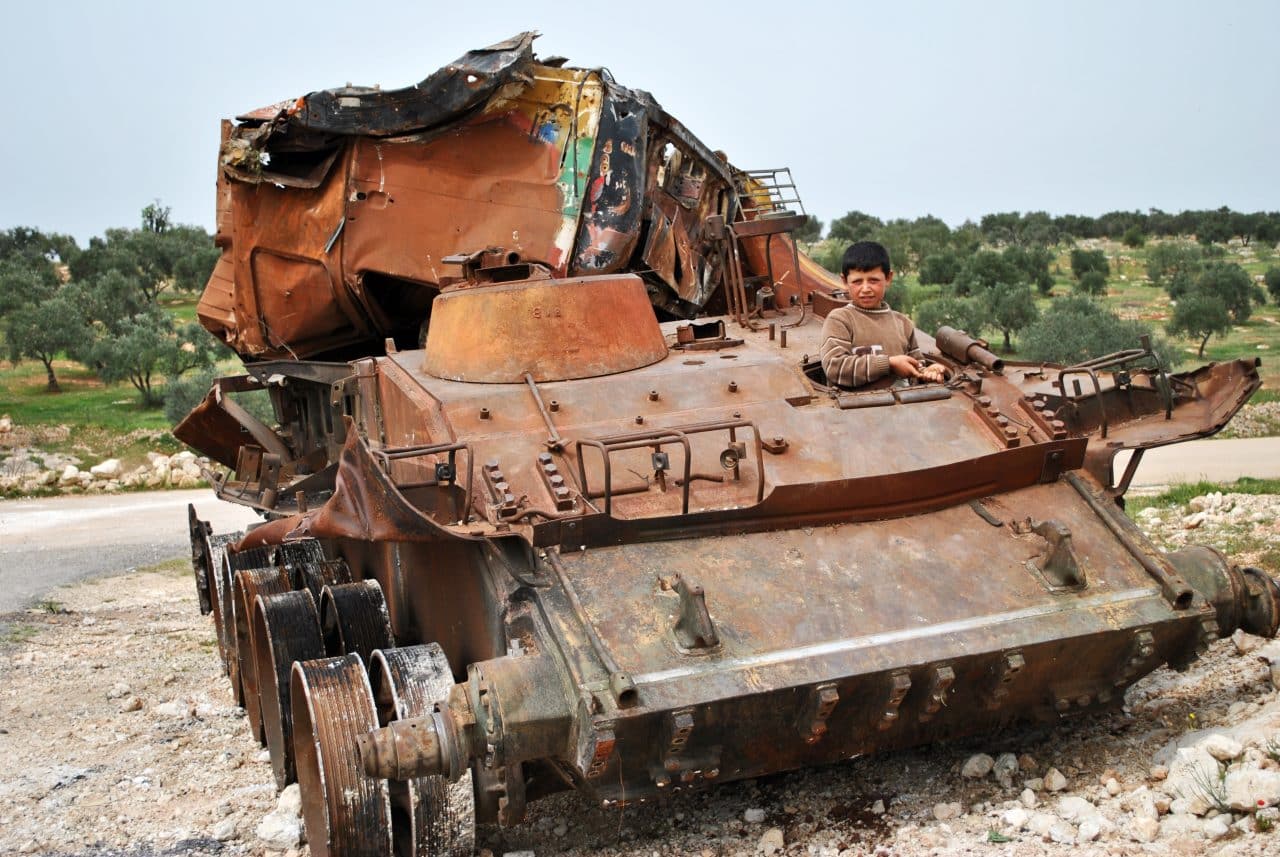
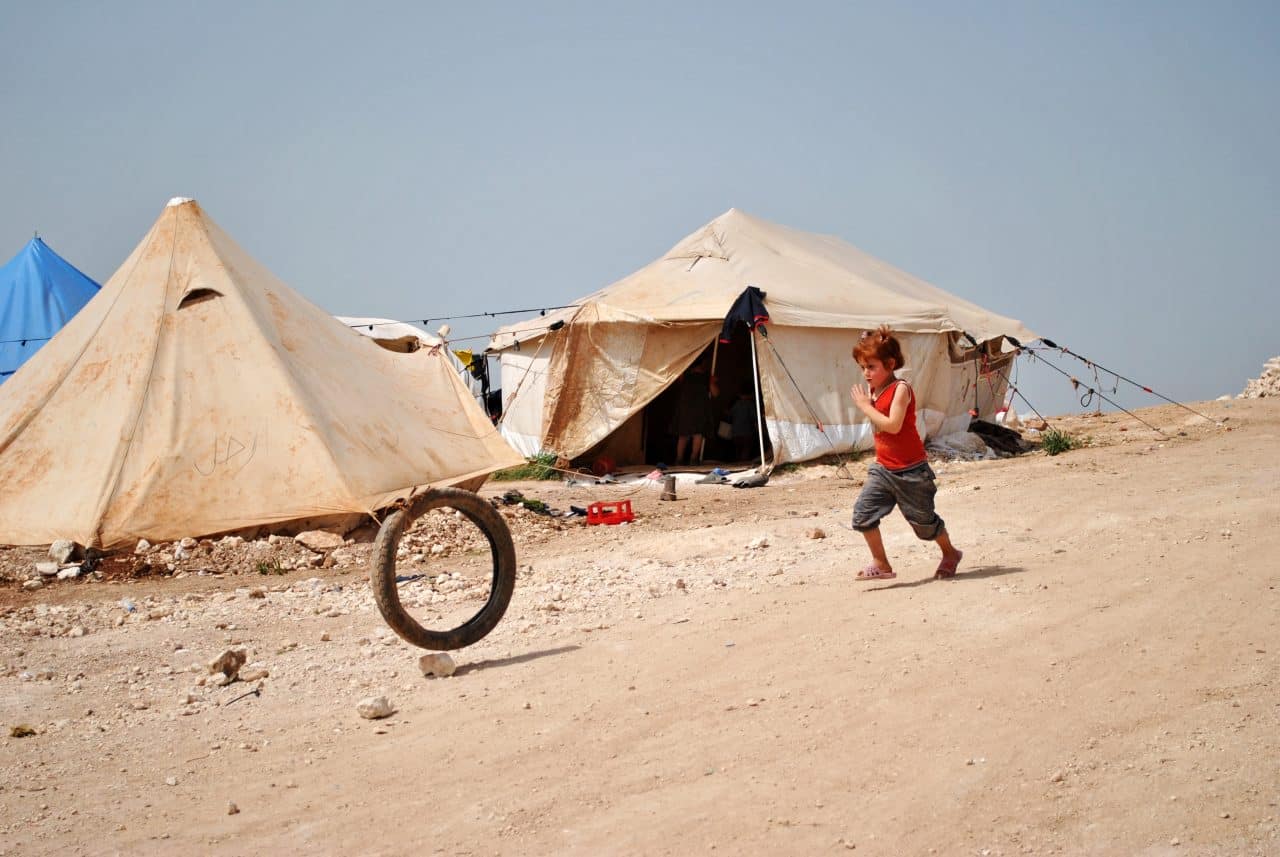
Anyone familiar with Mustafa’s portfolio knows that it is checkered with photos of children smiling or playing, even amid the most dire conditions.
It was Mustafa’s love of children, his friend Kole Kilbarda said, that inspired the collective to donate a portion of its fund to the Palestinian Children’s Relief Fund, an organization that is currently providing desperately needed relief to children in Gaza.
“He was really inspired by young people’s resilience, and the kind of humor and the joy they were able to find in the midst of conflict,” Kilbarda said.
As Kole reflected on Mustafa’s work, and on his indomitable spirit, one can sense a pain that remains undiminished, even after a decade.
“People feel his absence,” Kilbarda said. “I just wish he was around these days, especially with what is going on in Gaza, because I know he’d be organizing with us and doing all the things to make this stop.”
“He’s deeply, deeply missed.”

‘We need an outlet, a source of information that is credible, that is progressive, that we can cling to and believe in’
David Suzuki
Want to support journalism you can believe in? Become a sustainer today.