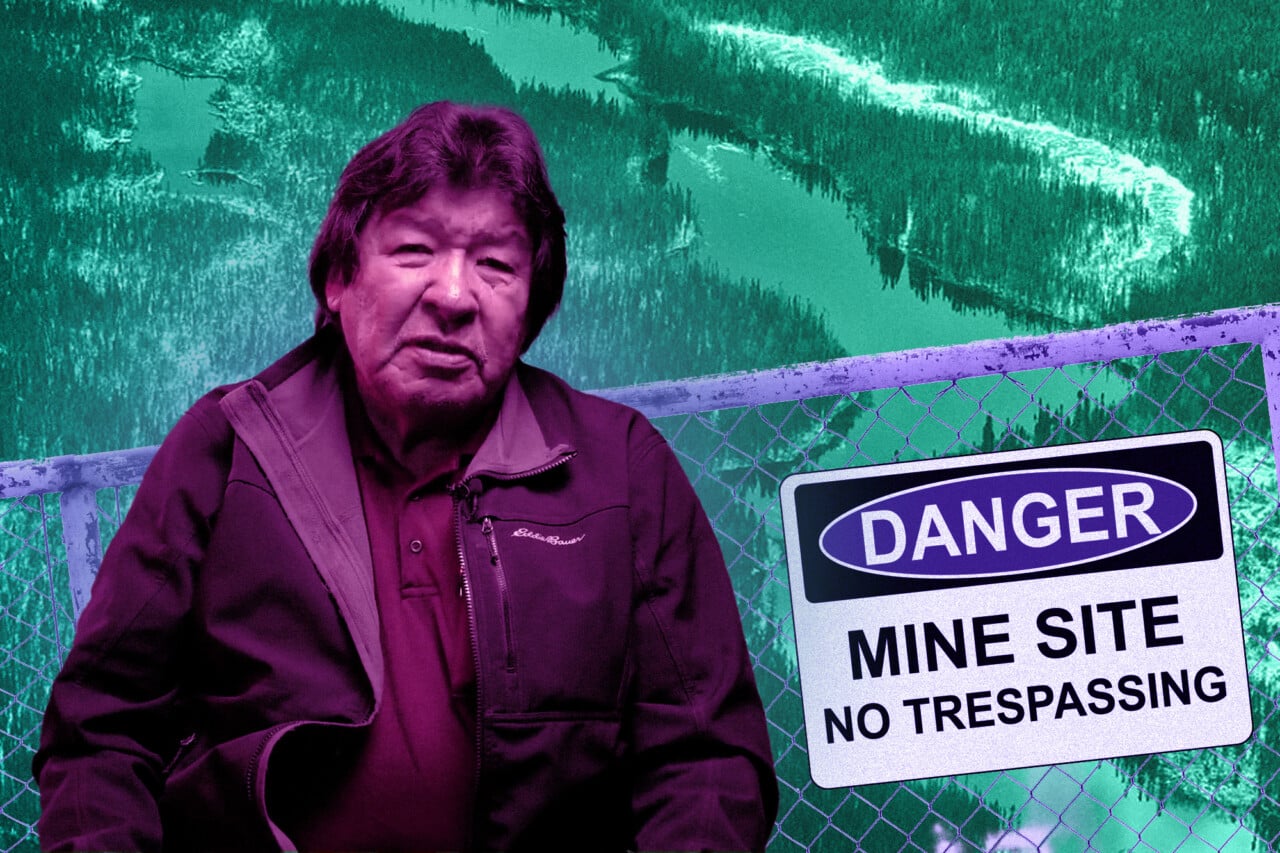
Peter Moonias’s father was a trapper. Once or twice a week, they would paddle along the Attawapiskat River to check the nets they had set for sturgeon and catch what they needed to eat and make a living.
But when Moonias was a child in the 1940s, Ontario implemented new hunting and fishing laws. He said the province required trappers to work along registered zones which restricted where the Moonias family could place their traps. The province also regulated what kind of nets they could use to catch sturgeon.
Under the new laws, Moonias’s father couldn’t travel as far for fish or place as many traps, and the new netting let more fish slip through. Ontario’s control meant his family caught fewer fish, Moonias said — but if they didn’t follow the new rules, they’d risk going to jail.
“It’s very, very oppressive,” he told The Breach in an interview. “It’s like some kind of gentle genocide to kill our people, to starve our people.”
Now, Moonias is a former chief of Neskantaga and an elder in his community. He says that by introducing the fishing laws, Ontario broke the Crown’s Treaty 9 agreement to let First Nations continue their way of life, which includes the right to fish and hunt anywhere in their territory.
He’s not alone — leadership from Neskantaga and nine other northern Ontario First Nations allege the provincial and federal governments have broken the 1905 treaty by regulating how the land can be used and by approving invasive mining and logging projects in the region.
The First Nations announced a $95 billion lawsuit against both governments last week, which ultimately seeks to create a co-jurisdictional system where both governments must consult First Nations as equals before regulating Treaty 9 lands.
Lawsuit challenges Ontario government’s sovereignty
The First Nations—Attawapiskat First Nation, Apitipi Anicinapek Nation, Aroland First Nation, Constance Lake First Nation, Eabametoong First Nation, Fort Albany First Nation, Ginoogaming First Nation, Kashechewan First Nation, Kitchenuhmaykoosib Inninuwug First Nation and Neskantaga First Nation—are challenging the Ontario government’s sovereignty on Treaty 9 lands.
They ask Ontario to bring First Nations to the table as equals and to make joint decisions about the use of Treaty 9 lands, which covers most of Ontario north of Timmins. If they win in court, Moonias said, it would mean First Nations’ right to control their traditional territory would be recognized in the law of Ontario.
“We’re not saying we want to break away from the province,” Moonias said. “We just want control of our traditional territory, over how we can survive and how we can govern ourselves.”
Tensions rise over Ring of Fire
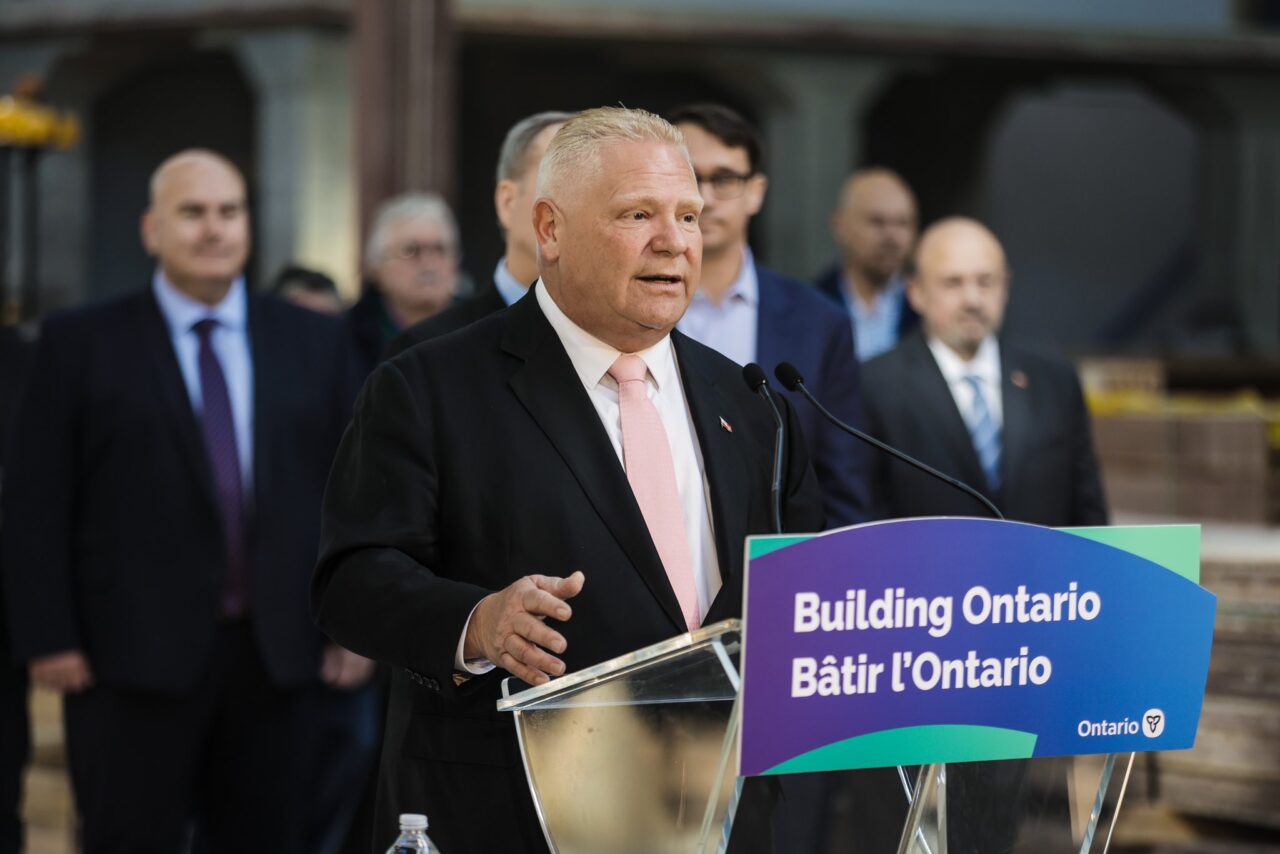
Notably, the court’s decision could change the province’s plans for development in northern Ontario, especially as tensions rise over the Ring of Fire, a 5,000-square-kilometre mineral deposit that Premier Doug Ford desperately wants to see developed. The province announced in March that it will build a road to the area, a major step towards opening the area to mining.
Minister of Indigenous Affairs Greg Rickford has said the road will bring economic opportunities to northern Ontario and that the province will meet their duty to consult First Nations. The leadership of two First Nations near the proposed road, Marten Falls First Nation and Webequie First Nation, have been involved in the planning process. Last month, members of other nations, including Neskantaga, told the provincial legislature they have not been adequately consulted.
Neskantaga is downstream of the Ring of Fire mineral deposit. The road will require bridges to be built across the Attawapiskat River, which Moonias said could scare away the sturgeon.
The lawsuit is just one part of the escalating action Treaty 9 First Nations are taking to prevent mining projects without their consent.
In January, two nations that are part of the lawsuit—Moonias’s community of Neskantaga and Kitchenuhmaykoosib Inninuwug First Nation—formed a land defence alliance with two other nations.
In March, at a Toronto event known as the “Super Bowl” of the global mining industry, Neskantaga Chief Wayne Moonias said companies would “have to kill us” before crossing the Attawapiskat River without consent. Later that month, Chief Moonias and members of four other nations shouted down Premier Ford at the legislature.
‘You can’t just unilaterally dismiss us’
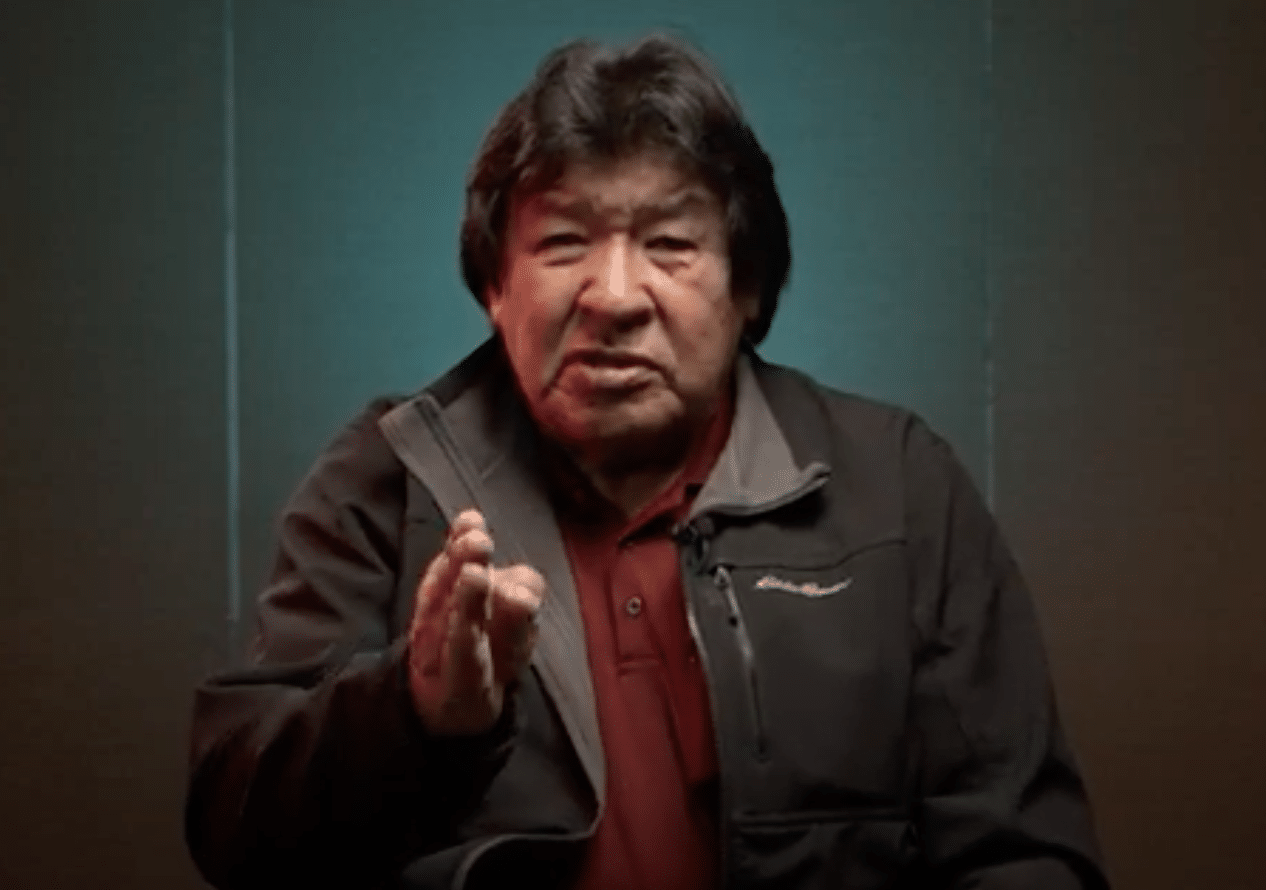
Ramona Sutherland, chief of the Constance Lake First Nation, said the province is letting mining companies stake claims to land without properly consulting her community.
She said consultation will protect her community’s burial grounds and the places they trap, fish and gather medicines. While they get emails from the government notifying them of mining claims, Sutherland said the government and industry need to visit First Nations in person before the communities can consent to development.
When Sutherland does object to a claim staked near her community, she said her attempts to engage with the province are not properly acknowledged.
“All they said was, ‘Thank you. It’s noted,’” Sutherland said. “That’s not enough anymore, is what we’re saying. You can’t just unilaterally dismiss us whenever you want.”
For Sutherland, the lawsuit is a last resort effort to have Ontario recognize their rights to the land.
“We are exasperated,” Sutherland said. “We speak to the federal government and the provincial government, and it’s like we speak to no one, basically. We don’t get an answer.”
The First Nations are also suing Ontario and Canada for damages valued at $95 billion. According to the draft statement of claim, the damages were the estimated cost of both governments’ breach of Treaty 9 by regulating the region without the consent of First Nations for more than a century.
The First Nations’ lawyer, Kate Kempton, told reporters at a press conference last week that the money was less important than a potential court order to force governments to consult First Nations and regulate the land in a dual-government system.
“This is not just about money,” Sutherland said. “It’s about our culture, our way of being and the government’s dismissive attitude towards First Nations.”
A spokesperson for Ontario’s Ministry of the Attorney General declined The Breach’s request for an interview. “As this matter is subject to litigation, it would be inappropriate to comment,” the spokesperson said by email.
After the lawsuit was announced, Rickford said in the provincial legislature that he takes his duty to consult First Nations seriously.
“With the far north, we heard the communities loud and clear through one of the most extensive consultations,” Rickford said. “It reflected a consensus-based model with all aspects and any aspects of development in the Treaty 9 area.”
But for Sutherland and Moonias, that’s not enough. Moonias and Sutherland both said First Nations’ right to control what happens in their traditional territory needs to be written into Ontario law.
“Give us the right to hunt, fish and trap and to gather medicines and to do our ceremonies. This is all we’re protecting,” Sutherland said. “We’re asking to protect the land. We’re asking to protect our cultural ways.”

‘The first video I ever made with The Breach was on why we need to support the movement for Land Back. Today, it’s being used in educational settings everywhere—in universities and colleges and children’s classrooms too. When I give talks, people will say, ‘I saw your video and it helped me understand the issue.’
That’s what we do at The Breach—reach people where they are at, with bold ideas, principled analysis, and critical investigations.” – Pam Palmater, scholar and author
Become a sustaining member of our work today.
Indigenous Rights | “An inconvenient image”: arrested journalists reflect on RCMP assault on Wet’suwet’en
Prisons | Anti-Black racism in Canadian prisons remains rampant, despite government pledges
Oil Industry | Alberta’s anti-energy inquiry aims to undermine First Nations opposition to Tar Sands