Eriel Deranger: I have been so disappointed by the discussions, the pledges and the commitments within the climate finance negotiations and discussions.
What we’re seeing is yes, absolutely Global North countries, G7 countries, G20 countries being like, “Yes, we pledged to commit.” But the United States is the first number one offender to GHG and the climate crisis, and they committed like, 17 and a half million dollars to the climate fund for loss and damages, when they should be paying the most.
We’re seeing other countries paying even more than this bringing better commitments in the United States. Canada committed—if we take it to the American dollar, I think it’s like $11 million, I think it’s $16 million Canadian dollars—but it’s about $11 million U.S. dollars. This is so shameful that our countries are doing this.
But what’s really dangerous within the conversations on loss and damages. This is just about states paying other states. This is a dangerous situation for frontline communities and Indigenous peoples where there are no guarantees that these funds are going to go to our communities who are the ones that are experiencing the loss and damages.
In fact, there’s some real fears around how states might utilize these funds to further develop false solutions rather than actually address the damages that are felt by frontline communities and Indigenous peoples that are experiencing these things. There’s a lot of work trying to push to have more accountability mechanisms.
As it stands now, Indigenous peoples in the Global North—we’re never going to see loss and damages. Even though my community, which is downstream from the Alberta tar sands, has experienced massive amounts of loss and damages from the industry that has been exacerbated by the climate crisis. We’re never going to see it. The communities in the Northwest Territories that have experienced out of control forest fires—never going to see those funds, because Canada is going to give their small little tiny commitments to someone else to another state, that’s probably never gonna give it to their Indigenous communities either.

I often hear that I’m lucky to have a full-time job in journalism.
Critical, bold journalism that isn’t beholden to media monopolies should be the norm—not the exception.
By supporting The Breach, you’re supporting a more robust, progressive media. Join us today.
– Katia Lo Innes, Associate Producer, The Breach
A summit can’t save the world, but it can make things worse
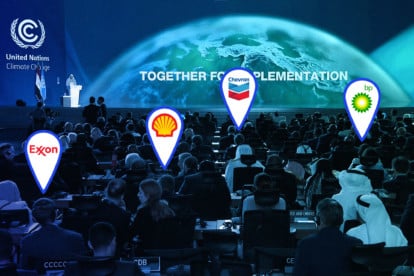
Climate Crisis | Corporate power casts a long shadow at UN climate negotiations
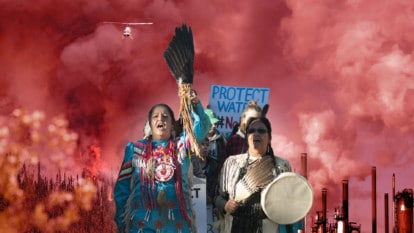
Activism | Indigenous rights are a counterforce to the climate crisis
1 comment
Comments are closed.
Well spoken to the point of the matter we must all of us rally as Community-based organizations and stand up for the Earth now if we truly believe in a world for Tommorows Children.