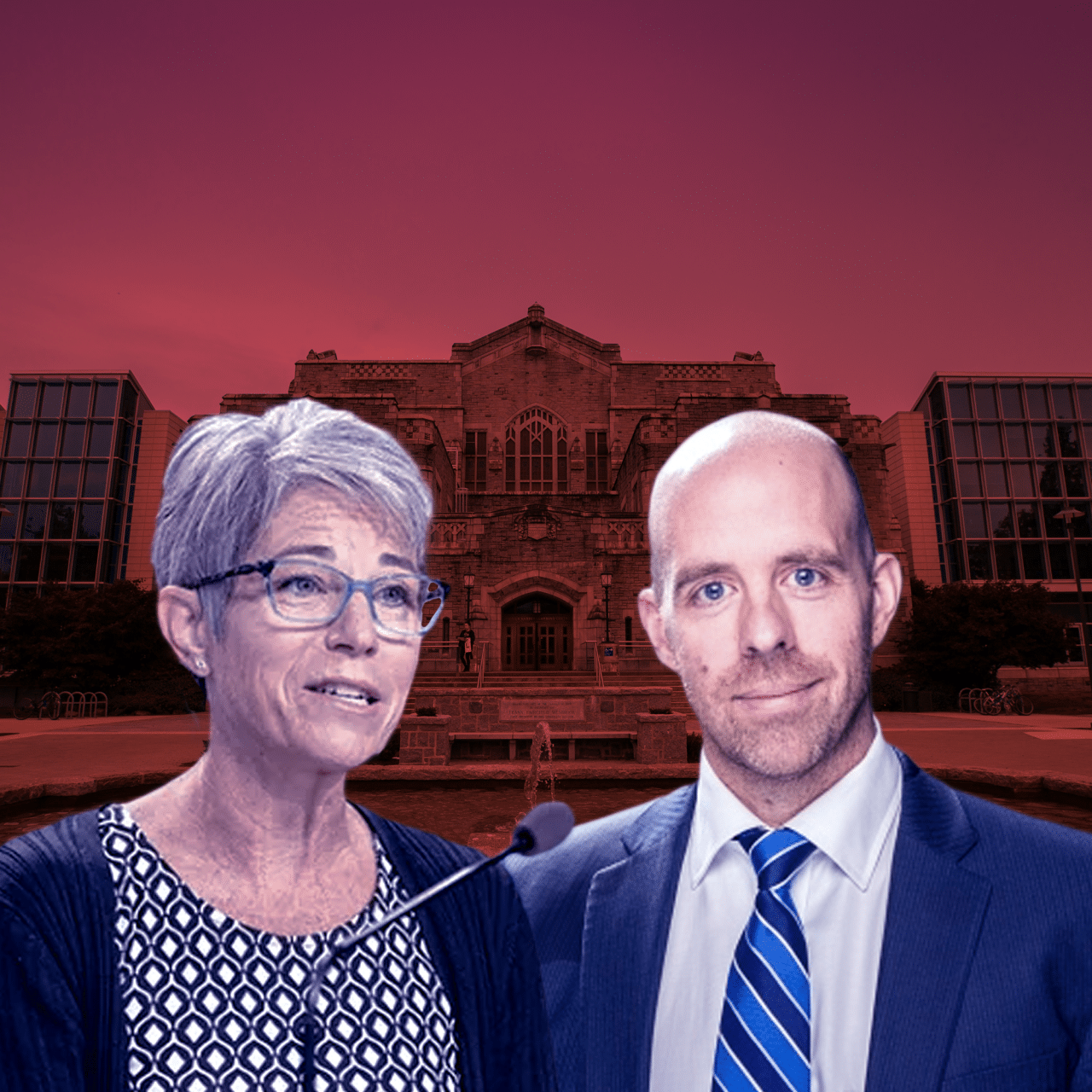
One week after the University of British Columbia’s president met with former minister Selina Robinson, the dean’s office asked the anthropology department to remove a statement on its website that expressed concern with “genocidal violence in Gaza,” The Breach has learned.
The heads of departments were also directed not to post any statements on departmental websites on the topic that could be interpreted as “political” in the weeks following the president’s meeting with Robinson, according to a person familiar with the matter whom The Breach agreed not to identify. The departmental leaders were also told that if the university were sued over a statement, they would be liable.
The removal of Anthropology’s statement, which flies in the face of the university’s equity guidelines that encourage such initiatives, has sparked outrage from faculty in the department who believe their academic freedom is at stake, multiple sources with direct knowledge of the situation said.
The revelations also raise new questions about Robinson’s influence on colleges and universities, which are supposed to be autonomous.
The MLA resigned from cabinet Monday after she referred to Palestine as “a crappy piece of land” in comments that were widely criticized as racist, colonial and factually wrong.
Robinson also said the B.C. government had been “working closely” with right-wing lobby group the Centre for Israel and Jewish Affairs (CIJA).
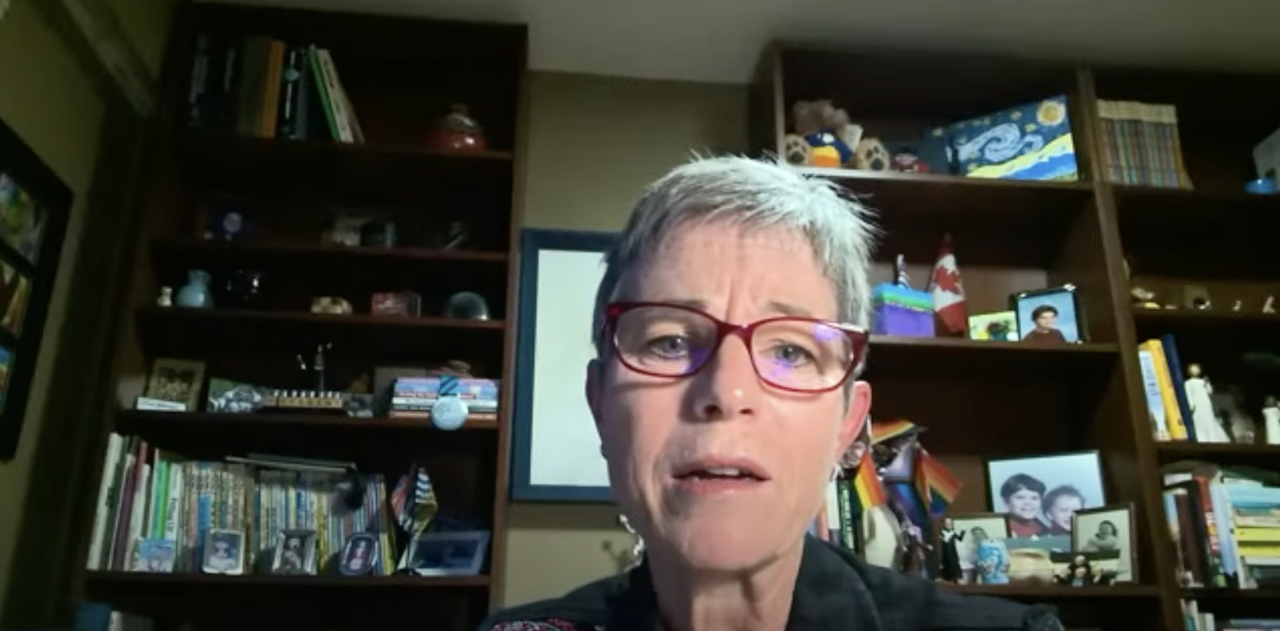
‘Anti-colonial solidarity is an ethical position’
On Oct. 24, UBC’s Anthropology department posted a statement on its website after extensive consultation among faculty, multiple sources told The Breach.
“The Department of Anthropology…strongly supports the full exercise of academic freedom including the right of faculty, staff, and students to speak up against the indiscriminate violence against civilians in Palestine/Israel and bring their expertise to bear on public conversations,” the statement said.
“We are particularly concerned that the massacre of Israeli civilians on October 7 is being used as a pretext for dehumanization of Palestinian civilians and genocidal violence in Gaza.”
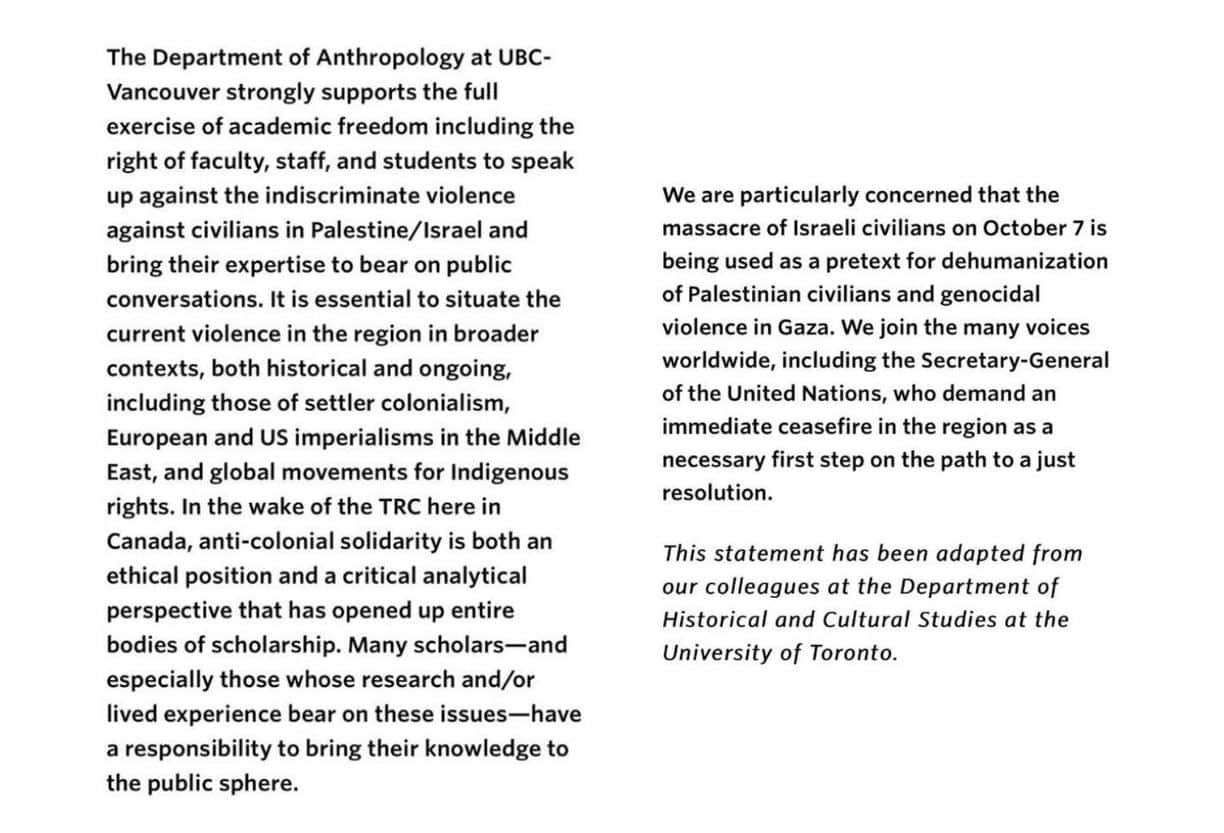
A month later, on Nov. 22, the statement was scrubbed from the site.
The head of anthropology later told faculty at a meeting that the dean’s office had asked—verbally, not in writing—for the statement to be taken down.
However, UBC’s provost told a different story in a letter to the Anthropology Graduate Student Association in late December, which has since been posted online.
“I did not make a specific request to remove the message – however, I did send a message to all Deans, which was distributed afterwards to Heads, Chairs, and Directors about the use of official statements from the University and its units, and this would reasonably be taken to be a reason to remove such a statement from UBC web pages,” provost Gage Averill told the graduate association.
The provost’s email said that faculty are welcome to sign statements as individuals but not to present them “in the name of the University or any of its parts.”
An email to the graduate association asking for an interview was not returned.
Despite the provost’s justification, the removal of Anthropology’s statement appears to be inconsistent with other policies and past practices.
UBC’s equity guidelines specifically say that department heads can respond to “collective tragedies and hateful incidents” with emails and official statements.
In 2020 and 2021, Anthropology published similar statements about police killings of Black people and unmarked graves of Indigenous children found at residential schools. Both of those statements remain online.
Politicians ‘helping’ university presidents, Robinson said
The dean’s office’s request to remove the statement came one week after a Nov. 14 meeting between UBC’s president Benoit-Antoine Bacon and Robinson, public records of the MLA’s schedule show.
Spokespeople for UBC did not provide a response by the time of publication.
The Breach sent detailed written questions to a spokesperson for Robinson about whether she directed Bacon to police statements from faculty and departments or implied in any way that universities would face consequences if their communities expressed views she disagreed with.
“No, post-secondary institutions are responsible for their own management and administration,” a spokesperson for the Ministry of Post-Secondary Education and Future Skills said by email. “The meeting in November was a routine introductory meeting between the then Minister responsible for post-secondary education and the incoming President.”
Sometime Wednesday, the MLA’s account was deleted from X.
At the same B’nai Brith event where Robinson made the “crappy land” comment, she also suggested that politicians were interfering with how universities handled their responses to the violence in Gaza and Israel and tensions on campuses.
Some American university presidents had taken “morally wrong positions,” Robinson said. “I see it here with the university presidents.”
She then said she had been working with the prime minister’s special envoy on antisemitism Deborah Lyons, as well as Ontario Minister Stephen Lecce and other provincial ministers across Canada, to coordinate a response.
“Deborah has been very helpful to coordinate us so we are doing the work once and helping all of our [university] presidents…They feel stuck. They feel so trapped around what’s legally [sic] can I ask them to do? What can I do within the realm of the collective agreement that we have and not get sued and yet make sure that our university campuses…are safe for everyone?”
Robinson has already been accused of inappropriately interfering with universities and colleges’ handling of faculty who comment on the Oct. 7 Hamas attack on Israel.
Faculty ‘advised to stay quiet’
One UBC anthropology professor wrote in an article that he had noticed a “chill on academic freedom” since Robinson began communicating with university presidents.
“In various ways faculty have been advised to be quiet and to say nothing that might be inferred as empathetic of the residents of Gaza or the wider Palestine,” Charles Menzies wrote in a Substack article posted on Feb. 4.
“It has been made known that we may be disciplined for our public statements that are considered distasteful by the Minister.”
Menzies was not available for an interview before the time of publication.
He also wrote that as a First Nations person, the “colonial folklore” pushed by Robinson was familiar to him. Menzies is a member of the Gitxaała Nation in B.C. and the Tlingit and Haida Tribes of Alaska, according to his biography on UBC’s website.
“I often encounter non-Indigenous people who articulate beliefs about the emptiness of B.C. before settlement, the lack of civilization of the pre-settlement populations, and about the ‘benefits’ (like residential schools) settlement has brought,” Menzies wrote. “When I listened to Minister Robinson’s comments about Israel/Palestine I heard a version of the same colonial story that I have grown up hearing about my people.”
Robinson has said she will stay on as an MLA until the next election.
This story has been updated with comment from a spokesperson for B.C.’s Ministry of Post-Secondary Education and Future Skills.
The Breach’s investigations don’t just inform our readers—they force the powerful to react.
An exposé on blood plasma privatization led to national headlines. Our revelations about the government’s cozy connections to Big Pharma sparked a parliamentary probe. A report on high-tech price-fixing by mega landlords resulted in a criminal investigation.
From activists to elected officials, people are using The Breach’s journalism to push for transformative change.
– Dru Oja Jay, Board President, The Breach
Israeli Apartheid | Canadian pension funds invested $1.6 billion in companies tied to Israeli apartheid

Heather Reisman | In stunning pre-dawn raids, Toronto police ‘terrorize’ Palestine activists

Corporate Media | CTV forbids use of ‘Palestine,’ suppresses critical stories about Israel
3 comments
Comments are closed.
Omg. I am not Jewish and I have Muslim friends, but I have travelled in the region and I have done some real investigating and it’s so reductive to call this colonialism. You have not done due diligence and this article is full of bias.
Thank you for this story. We need more truth to emerge from the IDF genocide in Gaza.
I thought that I had signed up as a sustainer for the Breach but don’t seem to be. Could you confirm my status. If I am not on your subscription list then I will try again. Cheers, Mike