In Toronto, public trash cans are overflowing. Call 311 and city staff will tell you they’re too busy to take your call. The Toronto Transit Commission is so cash-strapped that it is considering selling the naming rights to stations. Welcome to Tim Hortons Station, the next subway is in 14 minutes.
One department seems immune to austerity, however: the Toronto Police Service. In February, it received a $48.3-million budget increase, bringing its total operating budget to $1.16 billion. In 2022, the force received an increase of $25 million.
The police service appears to have a conveniently short memory: in 2017, the Toronto Police Services Board, under then-chief Mark Saunders and then-mayor John Tory, approved a transformational task force with a plan to reduce spending by $100 million. That plan proposed a hiring and promotions freeze and the amalgamation of divisions, consolidating precincts into fewer buildings.
Toronto Police Service appears to have quietly decided not to continue with the plan. Instead, the force is seeking budget increases year after year, and is squatting on land that could have been freed up for affordable housing.
Two of the divisions that were supposed to be amalgamated were 55 division, which is currently headquartered at 101 Coxwell Ave., and 54 division, currently at 41 Cranfield Rd.
It took the City five years to find a new home for the officers and staff of 54 and 55 Divisions. They found it at Danforth and Coxwell, on a surplus lot owned by the TTC.
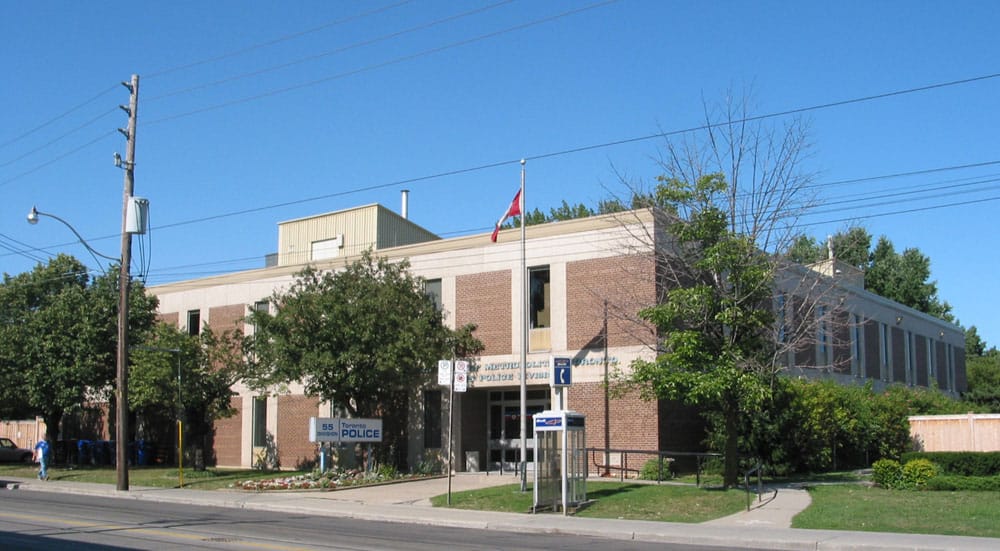
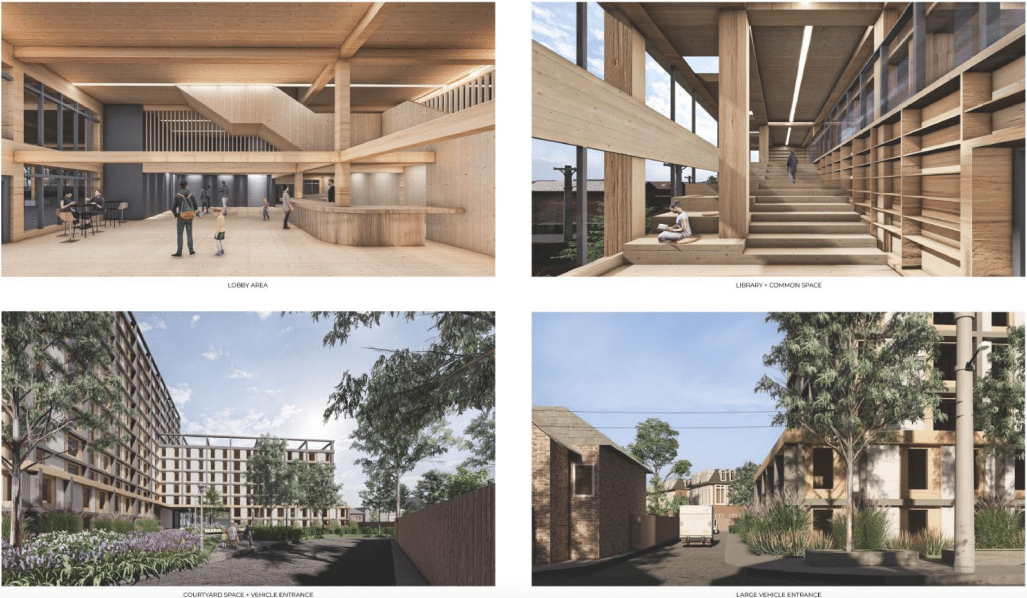
Following the discovery of the new precinct site, students from the University of Toronto’s School of Cities and volunteers from HousingNowTO (not to be confused with the City’s “Housing Now initiative”) jumped into action to create design proposals for new housing developments on the lands currently occupied by 54 and 55 Division.
After a year of work, they presented their designs to Toronto City Council this spring. They were immediately shut down.
“I’m not sure if you heard but [55 Division] has been removed as a site by the Toronto Police Service,” said Coun. Paula Fletcher. “It’s no longer going to be surplus.”
Coun. Fletcher expressed her disappointment: “I love your whole concept and…so much affordable housing. That was always the concept for this site, I’m as disappointed as you are.”
Stalling in the middle of a housing crisis
Toronto has a target to create 285,000 new homes over the next ten years, including 40,000 affordable homes. The plan drafted by the students, if adopted, would have led to 232 new units on just one of the sites, 78 of which would be designated affordable.
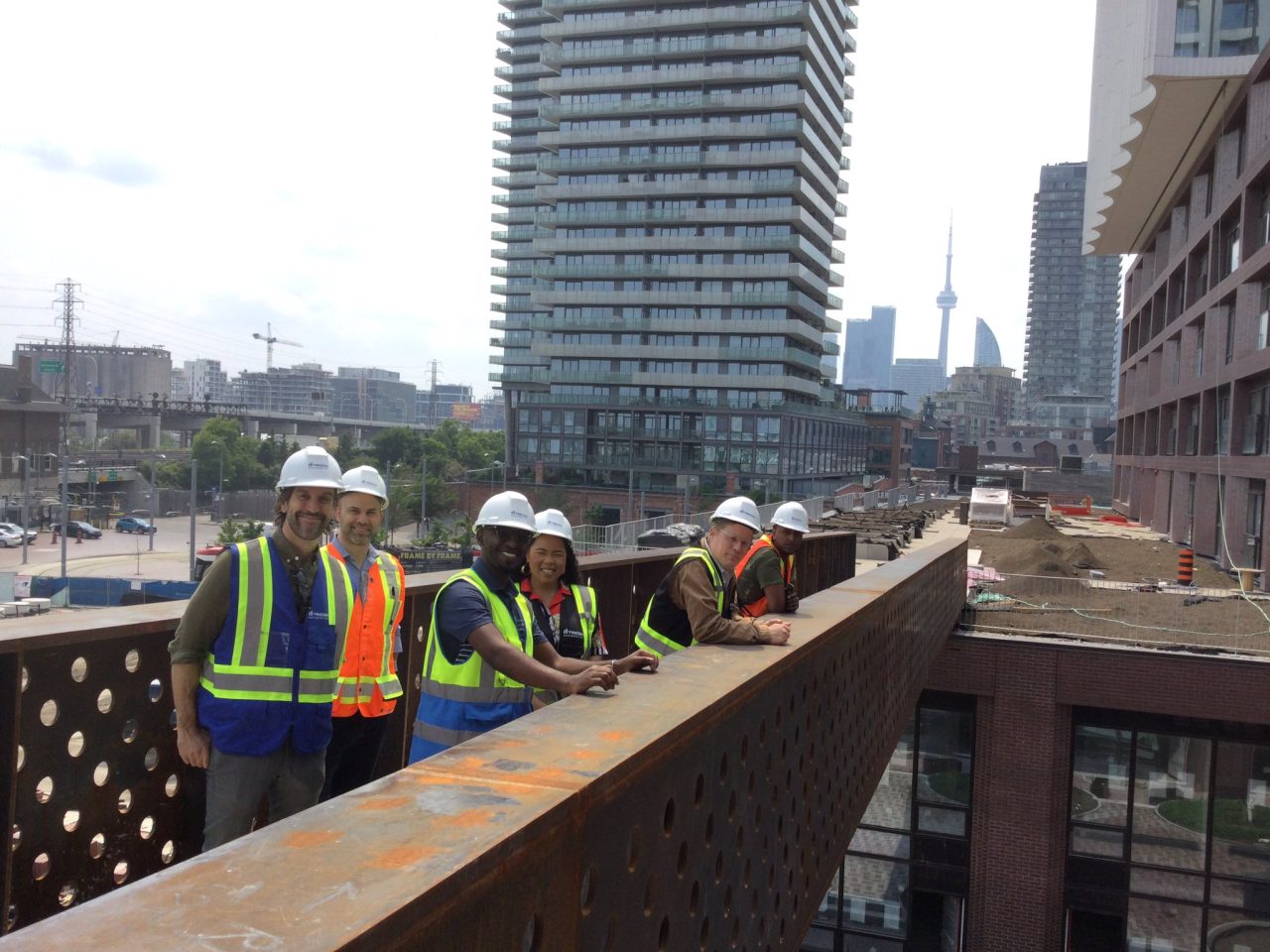
“When our volunteers started, the old 55 Division station at Coxwell and Dundas was clearly identified as a site [to be redeveloped into housing] by Toronto City Council,” said Mark Richardson, volunteer technical lead for HousingNowTO.
“It is unclear now if this is a temporary pause on the plans to consolidate this station, or if there is a new multi-year process that will need to restart in the future.”
When The Breach contacted Toronto police, they confirmed that plans to consolidate the sites were “paused.”
“We are reviewing our viable options for the existing facilities at 41 Cranfield Road and 101 Coxwell Ave.,” a police spokesperson wrote in an emailed statement.
No plan in place
A closer look at the numbers suggests the police never intended to follow through with their initial promise to consolidate these divisions.
The 2023 Toronto Police Budget, released in January, stipulates funds for a “long term facility plan” at both the 54 and 55 Division sites. No funds are allocated for the proposed site at 101 Coxwell.
In an interview with The Breach, Coun. Fletcher said she doesn’t think the police are being straight with the public.
“I think that the city and the Toronto police just need to be a bit more forthcoming about if they’re implementing the modernization for Toronto Police Service with the physical amalgamation of 54 and 55 division, or if they’re staying where they are and rebuilding,” she said.
As for the force’s “transformational task force” behind the 2017 Action Plan that promised to cut spending, all that appears to be online is a website, which hasn’t been updated since at least 2019, and possibly as early as 2016, before the plan was formalized.
When asked to clarify the status of their modernization plans, Toronto police said they were looking into it and would provide an update “tomorrow.” That was on May 30.
The police have not provided The Breach with an update since.
The Mark Saunders question
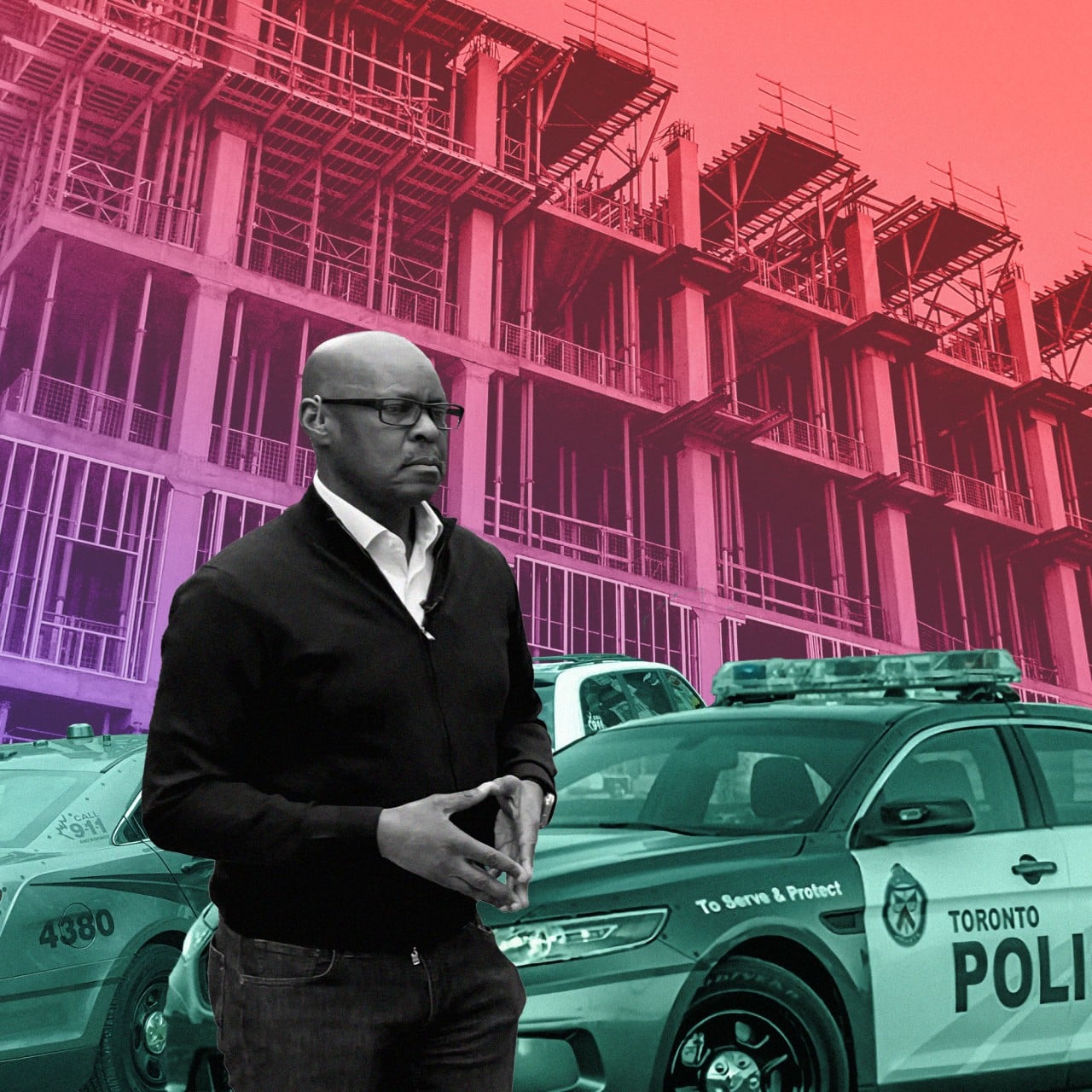
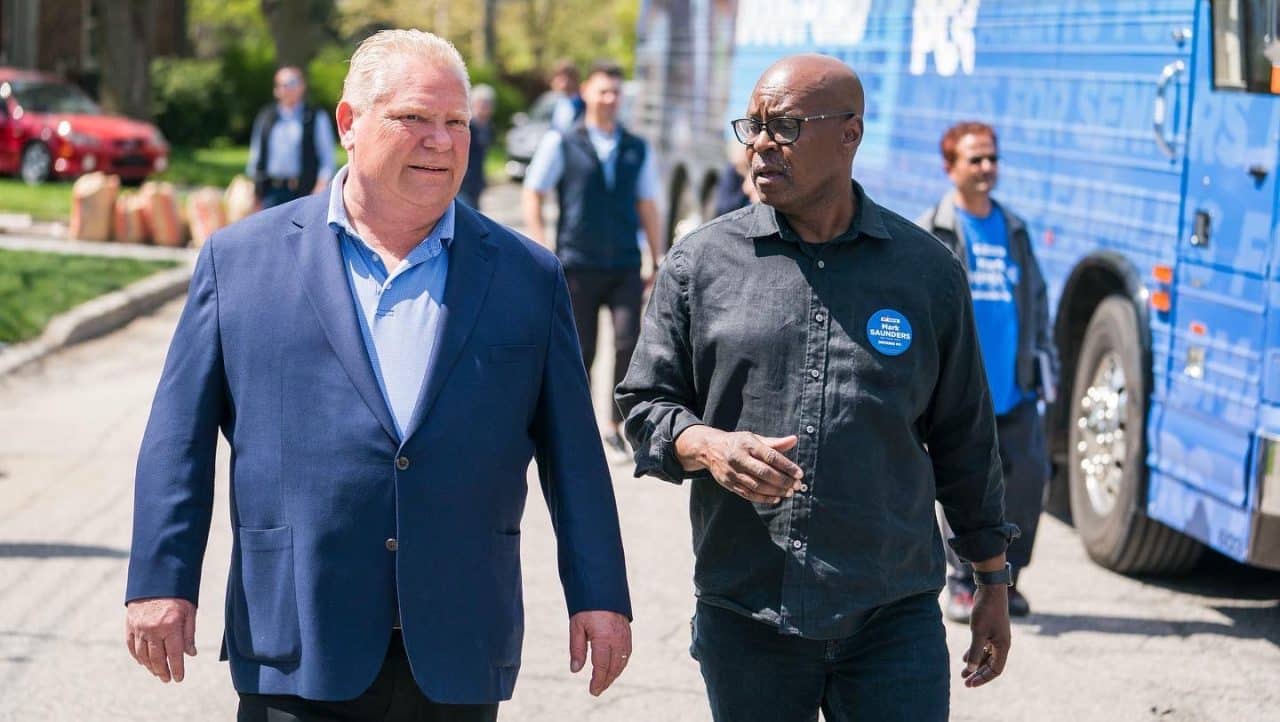
Of course, Mark Saunders, whose troubled reign as chief of police ended in 2020, is now running for mayor. Mainstreet Research’s latest poll shows him tied for second place at 13 per cent with former city councillor Ana Bailāo. Olivia Chow, long considered the frontrunner for the mayoral seat, stands at 36 per cent support.
Saunders is supported by Premier Doug Ford, who appointed Saunders as special advisor for the redevelopment of Ontario Place–a position for which he was paid $162,000 in 2022. Ford proudly displays a sign for Saunders on his front lawn.
If Saunders becomes mayor, he has made it clear that he intends to continue to increase the police budget. During his tenure as chief, Toronto’s police budget ballooned by 12 per cent. In the same time, Toronto’s homicide rate went up by 18 per cent.
“The only way to stop crime on the TTC is to vote for my plan to…stop Olivia Chow’s police budget cuts,” he writes on his campaign page.
On Monday, Torontonians will decide whether to elect a man with a history of throwing money at a police service that has not brought down crime and is quietly ducking public accountability. A service that is now directly blocking affordable housing projects.

“We need media that enlarges the sense of what’s possible.”
Naomi Klein, journalist and author
Want to support hope-fuelled journalism? Become a sustaining member.