
Over the past year, the world has watched in horror as the first live-streamed genocide has unfolded before our eyes.
For those of us who see life as precious, feelings of rage, pathos, overwhelm and powerlessness have been fixtures of witnessing.
In this context, more than 6,000 literary workers have signed onto a campaign pledging to boycott “Israeli cultural institutions that are complicit or have remained silent observers of the overwhelming oppression of Palestinians.” Signing onto this boycott is one small step we can take to help to stop the actions of a state which has, with arms and funding provided by the U.S. and Canada, turned Gaza into what UNICEF has called a “graveyard” for children.
In doing so, writers have joined a campaign launched over 20 years ago by the majority of Palestinian civil society, including writers, trade unions, artists, and intellectuals. They have called for those in cultural industries to refuse working with Israeli academic and cultural institutions that are complicit in Israel’s human rights abuses against the Palestinian people and are upholding apartheid and genocide.
The refusal takes aim at institutional complicity, not identity.
The question asked of cultural institutions is whether they are complicit in violating Palestinian rights, including through discriminatory policies and practices, by whitewashing and justifying Israel’s occupation, apartheid or genocide, or have never publicly recognized the inalienable rights of the Palestinian people as enshrined in international law.
We were proud to be initial signatories on this campaign, alongside some of the most respected literary figures here in Canada, including Dionne Brand, Omar El Akkad, Canisia Lubrin, Saeed Teebi, Jordan Abel, and Miriam Toews. The commitment, launched on Monday, October 28, 2024, has garnered massive support throughout the publishing sector including from book workers in Canada, and around the world.
‘Ending complicity is a profound ethical obligation’
The largest cultural boycott from writers since the South African anti-apartheid movement, this action follows the long tradition of targeted boycotts used by the Boycott, Divestment and Sanctions (BDS) movement.
As Black and Indigenous women, respectively, we hail from transnational political traditions that have supported people trying to survive under regimes of racial hierarchy, apartheid, and militarized violence from Canada to Haiti to South Africa. Signing this letter continues in the spirit of these traditions.
Emerging from human rights struggles in the late 1960s, cultural boycotts were part of a larger popular anti-apartheid boycotts movement which, over the course of 30 years, helped bring about the end of apartheid in South Africa.
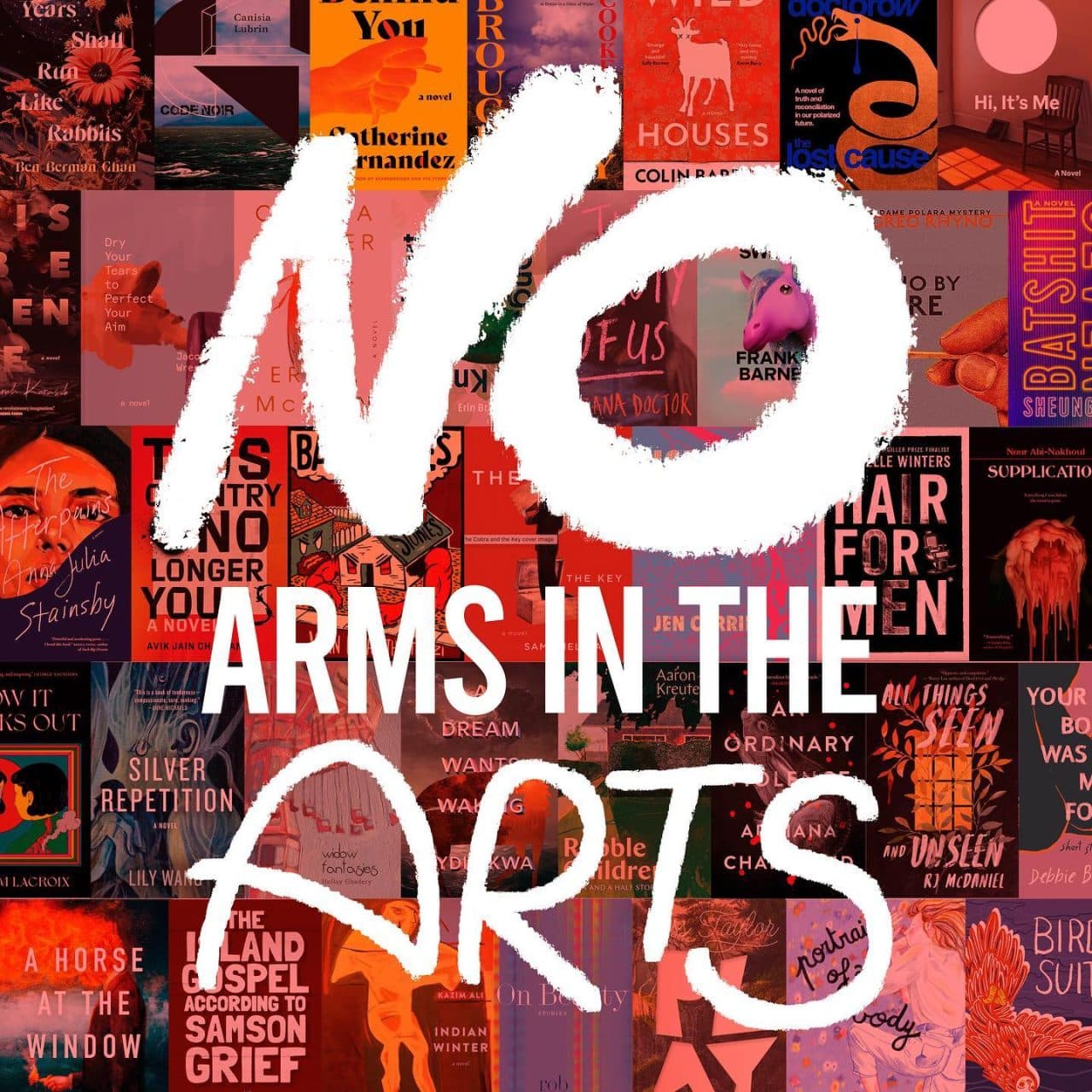
In July of 2024, 37 authors withdrew their books from consideration for that year’s prize, demanding the foundation pressure Scotiabank for full divestment from Israeli arms manufacturer Elbit Systems, as well as ending the sponsorships by the Azrieli Foundation and Indigo over their ties to the Israeli occupation of the West Bank—deemed illegal by the world’s highest court—and the genocide in Gaza. Eight former winners and nominees, including Omar El Akkad, also vowed to boycott any Giller events, publicity or programming.
In the first quarter of 2024, Scotiabank had a total divestment over the previous year of more than half of its total stake. Boycotts are effective, and ending complicity is a profound ethical obligation that Palestinains have asked us to fulfill.
As El Akkad puts it, “One day, when it’s safe, when there’s no personal downside to calling a thing what it is, when it’s too late to hold anyone accountable, everyone will have always been against this.”
With the worlds leading human rights organizations and the International Court of Justice calling on the world’s states to act to prevent genocide in Gaza, it is not possible to console oneself with the false comfort that “we did not act because we did not know.”
We are part of a chorus of thousands of literary workers in demanding the Canadian and global literary community have the courage and moral clarity to join with the global majority in saying we will not participate in institutions that uphold mass indiscriminate killings in one of the worst human rights crises of the 21st century.

‘We need an outlet, a source of information that is credible, that is progressive, that we can cling to and believe in’
David Suzuki
Want to support journalism you can believe in? Become a sustainer today.
Palestine | Giller protests sparked a literary movement to end ‘art-washing’ of Israeli crimes

Palestine Solidarity | Naomi Klein to Heather Reisman: Charges must be dropped against Indigo 11

Heather Reisman | In stunning pre-dawn raids, Toronto police ‘terrorize’ Palestine activists
1 comment
Comments are closed.

I no longer buy anything at Halifax Indigo Chapters. In a regular year I would spend 500.00 to a thousand dollars in books etc. My boycott is 14 months old approximately.