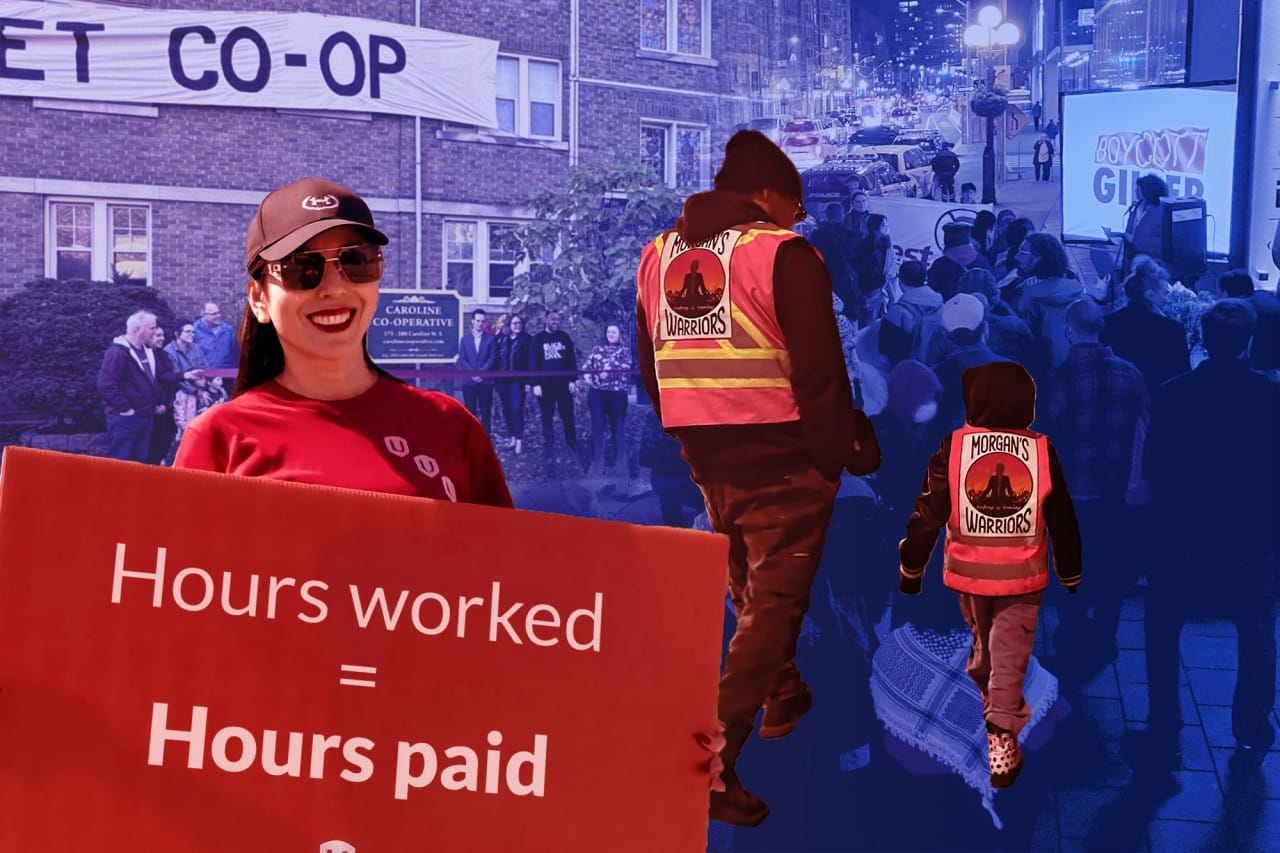
As 2024 draws to a close, there are many good reasons for liberation-minded people to feel concern about the state of the world. But there are also many victories to celebrate—victories that were achieved by ordinary people joining together to fight for a better future.
With right-wing forces celebrating their recent electoral triumph in the United States and holding a solid lead in the polls with a federal election due in Canada in 2025, the world can feel even more grim than usual.
In moments like this, though, it is more important than ever that we remember that when we organize, we sometimes win.
Continuing an annual Breach tradition, here are 15 movement victories in 2024 to take heart from as we look ahead to the new year.
Search the landfill: Two and a half years of pressure from the families of victims and their supporters pushed Manitoba to finally begin searching the Prairie Green landfill just outside Winnipeg for the remains of Morgan Harris and Marcedes Myran, two of the four Indigenous women killed by Jeremy Skibicki.
Support for migrants: In the face of Canada’s unjust immigration system, there are frequent campaigns to support individuals and families targeted for deportation. Many are unsuccessful, and sometimes success means further uncertainty as people have their deportations stayed but not entirely vacated. Still, any reprieve from this inhumane system is a win. This year, successful efforts included the fights to stop the deportations of climate justice organizer Zain Haq, track star Tamarri Lindo and his family, and Charles Mwangi.
Status on arrival: Migrant caregivers have been demanding permanent resident status on arrival since 1979, and finally those decades of organizing paid off with the announcement of a new program that grants this demand. (As of this writing, however, the announced program has yet to be implemented, and organizing continues.)
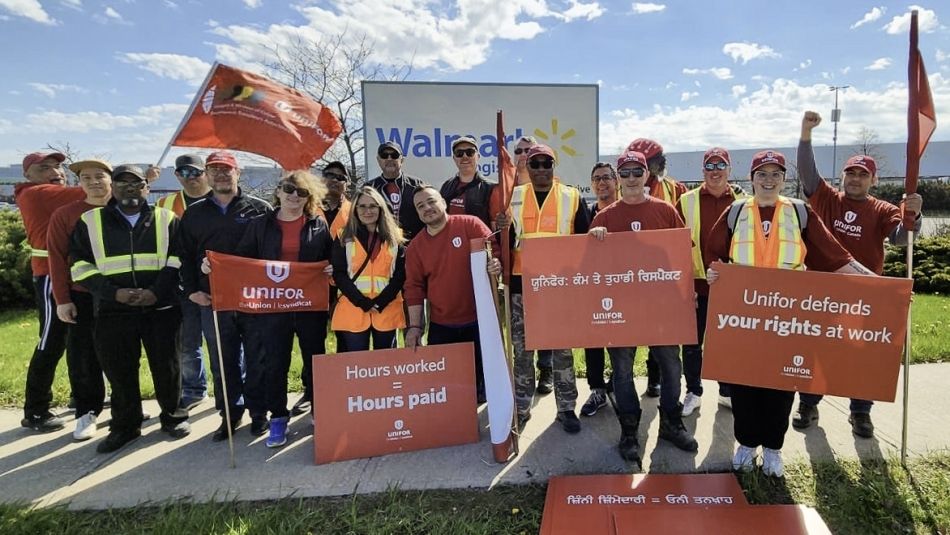
Worker power: Workers across the country continued to go union in 2024. This included the first Amazon warehouse workers (Laval, Que.) and the first Walmart warehouse workers (Mississauga, Ont.) to unionize in Canada. It also included migrant agricultural workers at four mushroom factory farms in B.C.; public library workers in Kitchener, Ont.; Starbucks employees in Edmonton; teaching and research assistants at University of Waterloo; liquor store workers in Coquitlam, B.C., and many others.
The successes for entry-level private-sector jobs and agricultural workers are particularly notable because young people and new immigrants have some of the lowest union density rates of any population groups in the country. Making inroads in these areas could set generations of new workers up with stronger job protections and a greater awareness of the value of unions in their workplaces.
Abortion access: For years, feminists have campaigned for the repeal of Regulation 84-20 in New Brunswick, which presented a major barrier to abortion access in the province by preventing Medicare from funding surgical abortions outside of hospital settings. Only three hospitals in the entire province perform surgical abortions, and none in the capital city of Fredericton. A clinic operating in Fredericton had provided abortion care to capital region residents, but both times ended up closing due to an inability to access public funding.
This year, the regulation was finally amended to remove this draconian barrier.
Tenant power: After 10 months, residents of 1440 and 1442 Lawrence Avenue West in Toronto won their rent strike, in the form of an order for the investment company that owns their buildings to do long-needed maintenance work. This is part of a wave of rent strikes in the city in the past few years.
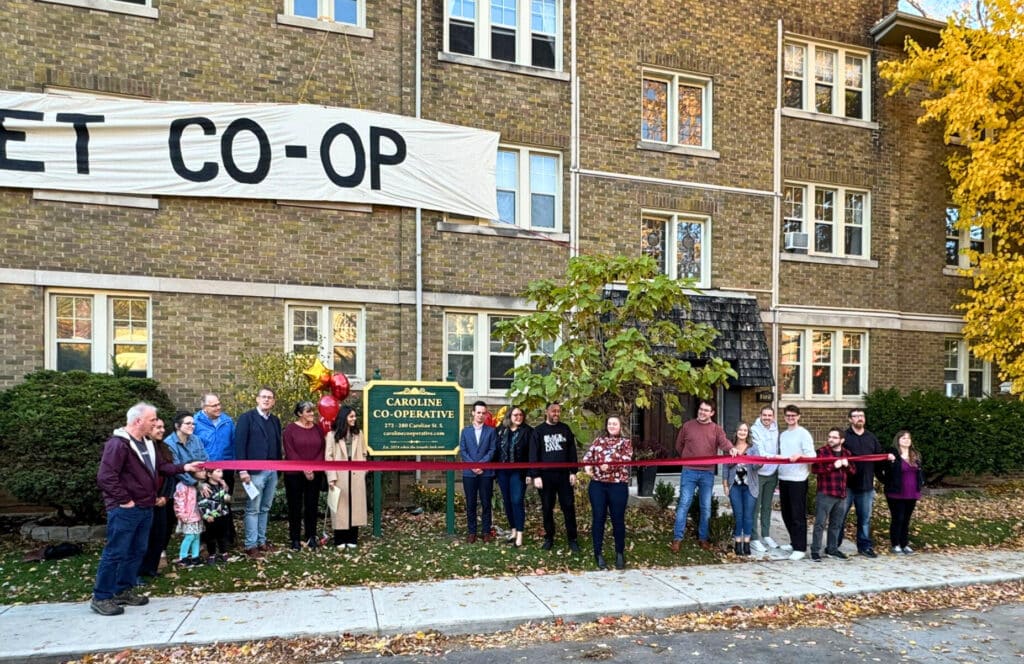
In nearby Hamilton, tenants at 272 Caroline Street South rallied together when their landlord was trying to sell their building, which would likely have resulted in massive rent increases. They formed the Caroline Co-operative and bought the building themselves.
Reducing emissions: In recognition of the major role that buildings play in greenhouse gas emissions, climate advocates have been demanding cities enact by-laws that would limit such emissions by restricting or prohibiting natural gas infrastructure in new construction. This year, the Montreal Metropolitan Community (which represents 82 municipalities and half the population of Quebec) adopted new regulations limiting the installation of gas-powered space and water heaters. Vancouver’s city council defeated a measure that would have reversed an earlier ban on heating new homes by natural gas.

Pharmacare: Grassroots pressure by groups like the Council of Canadians won an incremental but important victory on the road to a national pharmacare program. Though the current plan covers only contraception and diabetes medications, advocates succeeded in ensuring the government used a public, single-payer, and universal model for the program. This approach reduces the role of private profit in our healthcare system, and reduces the barriers to access and the stigma that often accompany means-tested programs.

Defending the water: A grassroots campaign against the commodification of water in Ontario scored a victory as Connecticut-based BlueTriton Brands announced that it would cease all private water bottling operations in Ontario by the end of January 2025.
The details of the company’s exit plans are unclear, but youth from Six Nations of the Grand River are campaigning to have ownership of BlueTriton’s wells transferred to the community. Efforts are ongoing to push the Ontario government to reinstate the province-wide moratorium on new permits for water extraction for bottling that was in place from 2017 to 2021.
Municipal change: Across the country, residents organize to change how their cities and towns do things, but often these wins remain unknown even to other people who live in the area, let alone to the rest of us.
For instance, grassroots efforts in Hamilton won the province’s first by-law attempting to prevent renovictions and created space for the city council to take the largely symbolic but still rare step of sending the city’s police budget back to ask for cuts.
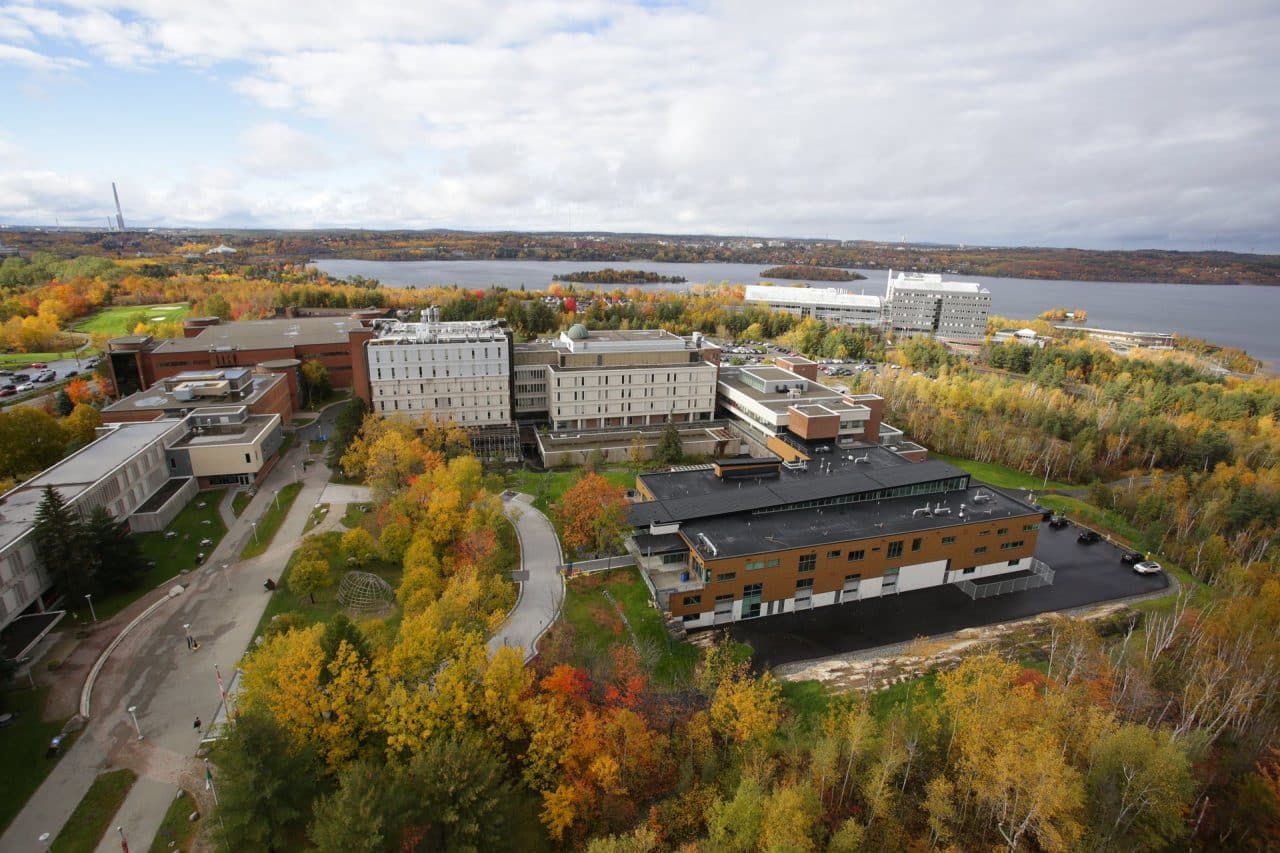
Defending public education: In 2021, the administration of Laurentian University in Sudbury, Ont., responded to the university’s financial difficulties by invoking the federal Companies’ Creditors Arrangement Act (CCAA) to file for insolvency. Despite the fact that the university’s financial situation was the result of chronic provincial underfunding and a legacy of questionable management decisions, invoking the act resulted in massive program cuts and job losses, placing the consequences squarely on students and workers.
After years of advocacy by defenders of public post-secondary education and residents of Sudbury, the legislation was changed to exempt public universities and colleges from this insolvency act. This change will prevent other university administrations from using this legislation to suspend collective bargaining agreements, collegial governance, and community consultation to impose corporate-style cuts.
Sick note ban: Early in its mandate, Ontario Premier Doug Ford’s Conservative government rescinded a rule that prohibited employers from requiring sick notes signed by a doctor in cases of minor illness. After advocacy by workers and health professionals, the ban was reinstated in October 2024. This move gets rid of a barrier to workers accessing the sick days that they need and to which they are entitled, and removes an unnecessary burden on the strained healthcare system.
Fossil fuel divestment: The ongoing struggle to get institutions to divest from the oil and gas industry scored a win when the City of Montreal announced that it would pull the $10-billion pension fund it co-manages out of fossil fuels.
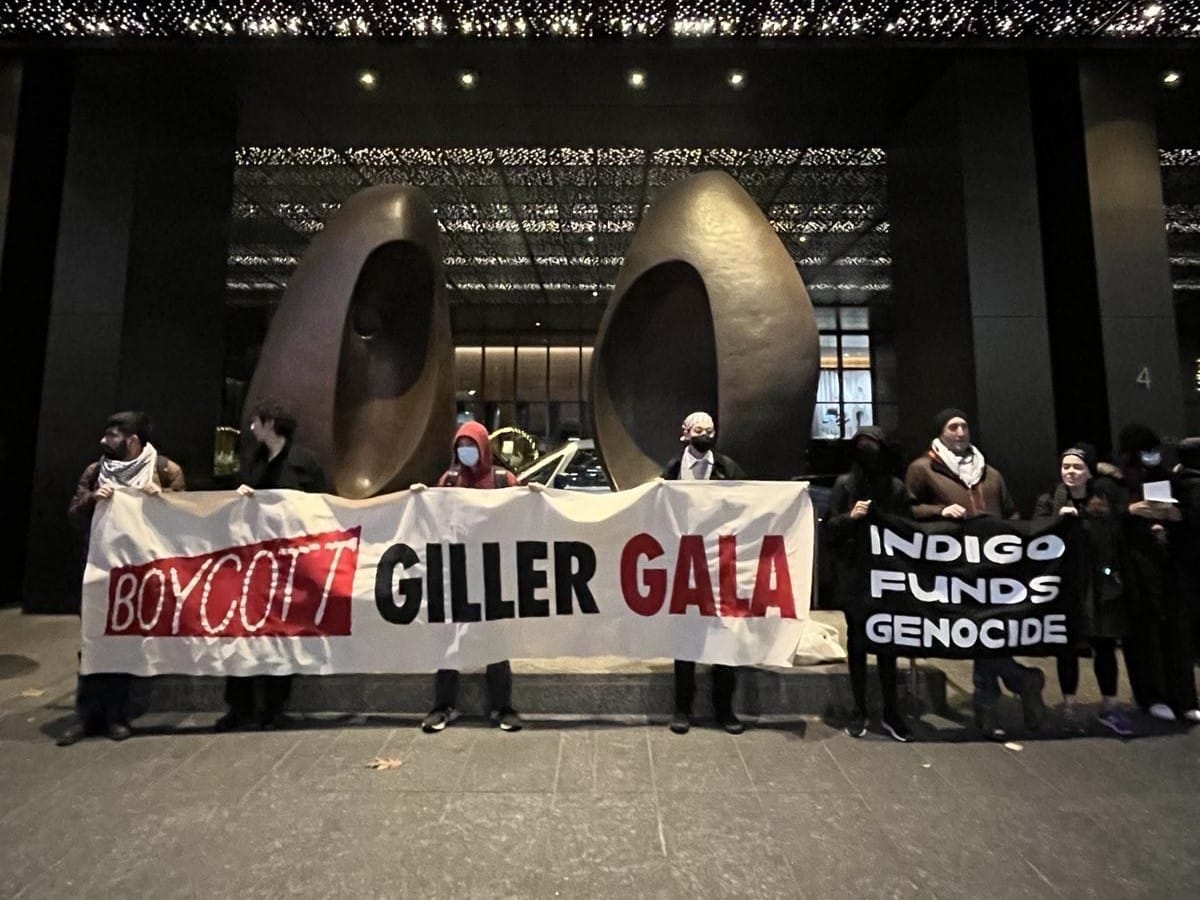
Palestine solidarity: In light of the Israeli state’s ongoing assault on the people of Gaza, which human rights organization Amnesty International recently concluded amounts to genocide, solidarity with the Palestinian people has become a major focal point around the world and in Canada.
Though the struggle is urgent and ongoing, it has seen multiple interim victories. A broad-based cross-Canada movement won a partial arms embargo on Israel, and on the basis of the bank’s prominent role in underwriting prestigious literature awards like the Giller Prize, writers and other book-workers pushed Scotiabank to reduce its investment in Israeli arms corporation Elbit Systems.
Activists won votes at dozens of unions, worker associations, and student organizations in support of boycotting and divesting from Israel. And student encampments won at least partial victories on the road to divestment at University of Windsor, McMaster University, Thompson Rivers University, Université du Québec à Montréal, Ontario Tech University, and others.
A long campaign to revoke the charitable status of the Jewish National Fund of Canada—which has been a “driving force” for “settlement and occupation” of Palestinian land for decades, according to Independent Jewish Voices—finally succeeded.
And though the problem of anti-Palestinian racism remains endemic, it is beginning to garner institutional recognition—as when Toronto District School Board trustees voted to adopt the term. There were also some individual successes in other contexts in enacting accountability for public figures who had engaged in anti-Palestinian racism.
Police out of schools: The movement challenging the harms of policing won a victory at the Thames Valley District School Board in Ontario when board members voted against a pilot project that would have placed police in schools.
Things could get worse in the coming year—in fact, they most likely will. But these victories from 2024 can serve as a reminder that, in the face of what’s coming, we have agency, and together we can do something about it.

“We need media that enlarges the sense of what’s possible.”
Naomi Klein, journalist and author
Want to support hope-fuelled journalism? Become a sustaining member.
Heather Reisman | In stunning pre-dawn raids, Toronto police ‘terrorize’ Palestine activists
Climate Crisis | In Quebec’s aluminum towns, the green-tech future looks like the past
How Quebec won the world’s first ban on oil and gas extraction
1 comment
Comments are closed.

Thank you, thank you for sharing 2024 victories. In these crazy dark times it’s uplifting to hear of success.
Thanks